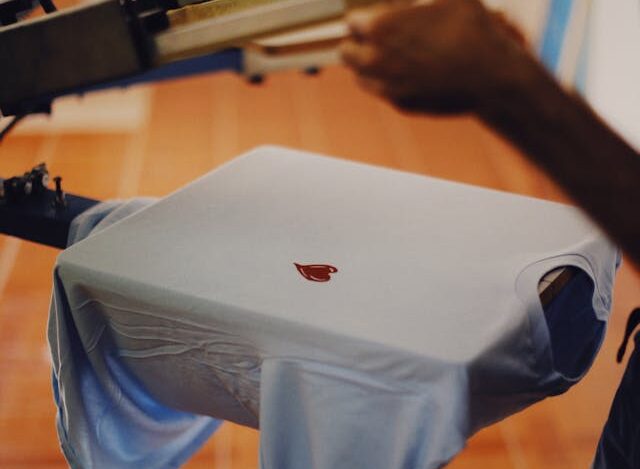
Funny custom printed shirt brands often live off moments. A joke lands, a design resonates, an event drives demand, and orders come in. But after that moment passes, many brands struggle to maintain momentum. The business becomes a cycle of spikes instead of steady growth.
Home services marketing solves a similar problem in a completely different industry. It focuses on consistency, repeat engagement, and attracting the right customers instead of chasing one-time transactions. When applied to funny shirt brands, these principles can transform a reactive, trend-driven business into something more stable and scalable.
Moving from One-Time Orders to Repeat Relationships
Most funny shirt purchases are treated as one-off events. A group orders for a party, a team creates a joke design, or someone prints a meme for fun. The interaction ends there.
Home services marketing takes a different approach. It assumes that every customer has future needs, even if those needs are not immediate. The goal is to stay connected so that when the next opportunity arises, the business is already top of mind.
Funny shirt brands can adopt this by thinking beyond the first order. That group that ordered for a birthday will have another event. That team will update designs. That customer who enjoys humor will likely want another shirt when a new idea comes up.
By maintaining light, relevant engagement, brands can turn occasional buyers into repeat customers. The focus shifts from single transactions to ongoing relationships.
Making the Buying Process Feel Effortless
One of the strongest lessons from home services marketing is that ease drives conversion. Customers choose businesses that are simple to work with.
Funny shirt orders often involve multiple steps. Coming up with a design, choosing sizes, confirming details, and placing the order can feel like more effort than expected. If the process becomes frustrating, customers may abandon the idea or delay it.
Simplifying this process makes a significant difference. Clear steps, quick responses, and straightforward options reduce friction. Customers should feel guided, not overwhelmed.
Retail has already shown that smoother experiences lead to higher conversion. Funny shirt brands can benefit from making the path from idea to order as easy as possible.
Attracting the Right Audience Instead of Everyone
Not every customer is a good fit. Some are looking for the cheapest option. Others value creativity, quality, and a smooth experience. Home services marketing focuses on attracting the second group.
Funny shirt brands can do the same by being intentional about their positioning. Instead of trying to appeal to everyone, they can focus on specific types of customers. Event organizers, teams, niche communities, or groups that value unique humor.
When messaging is clear, it filters out low-quality inquiries and attracts customers who align with the brand. This improves efficiency and leads to better long-term relationships.
Retail brands often succeed by targeting specific audiences rather than broad markets. Funny shirt brands can apply the same principle to strengthen their positioning.
Building Trust Before the First Order
In home services, trust is built before any direct interaction. Customers decide who to contact based on how confident they feel in the business.
Funny shirt brands can improve their results by focusing on this early stage. Clear examples of past work, transparent processes, and consistent messaging create confidence.
Customers should understand how designs are handled, how orders are processed, and what to expect in terms of timelines. When these elements are clear, hesitation decreases.
Trust is especially important in custom products because customers cannot see the final result before ordering. A strong first impression helps bridge that gap.
Using Communication as a Differentiator
Communication is often overlooked in custom apparel, but it can be a major differentiator. Home services marketing treats communication as a core part of the experience.
Funny shirt brands can stand out by being responsive and clear. Customers should not have to wait long for answers or feel uncertain about their order status.
This includes acknowledging inquiries quickly, providing updates during production, and confirming details clearly. When communication is consistent, the experience feels more reliable.
Retail has set expectations for responsiveness across industries. Meeting those expectations helps brands compete more effectively.
Turning Trends Into Structured Opportunities
Funny shirts are often driven by trends. A joke becomes popular, and demand spikes. The challenge is capturing that demand quickly and efficiently.
Home services marketing emphasizes structure. Even when demand fluctuates, the process remains consistent. Funny shirt brands can apply this by creating systems that handle spikes without becoming chaotic.

This includes having clear workflows, predefined options, and efficient communication. When the process is structured, the business can respond to trends faster and more effectively.
The goal is not to control creativity. It is to support it with systems that make execution smoother.
Making Reordering Simple and Natural
Repeat business is easier when the process is familiar. Customers should not need to start from scratch every time they want to order again.
Home services marketing focuses on reducing effort for returning customers. Funny shirt brands can apply this by making reordering simple.
This includes keeping design history, allowing easy adjustments, and providing quick access to past orders. When reordering feels natural, customers are more likely to return.
Retail has shown that convenience drives repeat behavior. Custom apparel can achieve the same outcome by simplifying the process.
Creating Consistency Across Every Interaction
Consistency is a key factor in building a strong brand. Home services businesses deliver the same level of experience every time, which builds trust.
Funny shirt brands can benefit from applying this principle. Every interaction, from inquiry to delivery, should feel consistent.
This includes communication style, process clarity, and overall experience. When customers know what to expect, they feel more comfortable returning.
Inconsistent experiences create doubt, even if the product is good. Consistency strengthens confidence and improves retention.
Staying Relevant Between Orders
One of the biggest challenges for funny shirt brands is staying relevant between purchases. Customers may not think about ordering again until a new need arises.
Home services marketing addresses this by maintaining light engagement. Funny shirt brands can do the same by staying connected in a way that feels natural.
This could include reminders for upcoming events, prompts based on past orders, or suggestions aligned with customer interests. The key is relevance.
When the brand stays present without being intrusive, it increases the likelihood of repeat orders.
Aligning with How Customers Actually Decide
Customers do not make decisions based only on price or design. They consider how easy the process will be, how confident they feel, and how reliable the business seems.
Home services marketing aligns with these decision factors. Funny shirt brands can improve their results by focusing on the same elements.
Instead of only showcasing designs, they can highlight how simple the process is, how quickly orders are handled, and how clearly communication is managed.
This alignment makes the brand more appealing because it addresses what customers actually care about.
The Brands That Feel Easier Will Win More Often
As competition increases, the difference between funny shirt brands will not only be in creativity. It will be in how the experience feels.
Home services marketing provides a clear framework for improving that experience. By focusing on ease, consistency, and trust, brands can create a stronger position in the market.
Customers gravitate toward businesses that feel simple and reliable. They return to brands that reduce effort and deliver consistent results.
In the end, the advantage goes to the brands that understand they are not just selling shirts. They are delivering an experience. And the smoother that experience feels, the more likely customers are to come back.
Leave a Reply