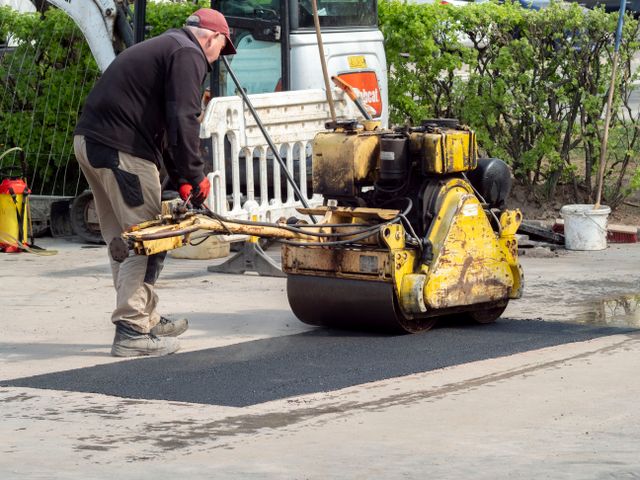
When homeowners think about home maintenance, the focus usually goes to interiors, roofing, plumbing, or landscaping. However, driveways and pavements are just as important as any other part of a property. These surfaces are used daily, exposed to constant weather changes, and carry significant weight from vehicles and foot traffic. Over time, this continuous stress leads to wear and damage that can affect both safety and property value.
Including driveway and pavement maintenance in home care planning is not just about appearance—it is about long-term protection, safety, and cost efficiency. When these surfaces are properly maintained, they last longer, perform better, and contribute positively to the overall condition of the property.
The Role of Driveways and Pavements in Overall Property Value
Driveways and pavements are among the first things people notice when they approach a home. Cracks, uneven surfaces, and discoloration can create a negative impression, even if the interior of the home is well maintained. On the other hand, clean and well-maintained surfaces immediately enhance curb appeal.
These outdoor surfaces also play a functional role in property value. A strong, well-kept driveway supports vehicle access, improves usability, and reduces the likelihood of repair costs for both homeowners and future buyers. In real estate terms, this contributes to a perception of overall property care and stability.
Why First Impressions Extend Beyond the Front Door
First impressions are formed before anyone enters the home. A damaged driveway or broken pavement can signal neglect, even if the rest of the property is in excellent condition. This perception can influence buyer interest and even property valuation.
Maintaining these surfaces ensures that the home presents a consistent image of care and maintenance. It reinforces the idea that the entire property has been properly managed, not just the visible interior spaces.
How Weather Conditions Accelerate Surface Damage
Driveways and pavements are constantly exposed to environmental conditions such as rain, heat, cold, and sunlight. These factors gradually weaken the surface material, leading to cracks, potholes, and erosion over time.
Water is one of the most damaging elements. When it seeps into small cracks and freezes or expands, it causes the cracks to grow larger. Similarly, intense heat can cause surfaces to expand and weaken, making them more susceptible to long-term damage.
The Impact of Seasonal Changes on Surface Stability
Seasonal changes create repeated cycles of expansion and contraction in pavement materials. Over time, this weakens structural integrity and leads to visible damage.
Without regular maintenance, these small issues gradually worsen. What begins as minor cracking can eventually develop into major structural problems that require full resurfacing rather than simple repairs.
Preventing Small Cracks From Becoming Major Repairs
One of the most important reasons for regular driveway maintenance is early intervention. Small cracks or surface imperfections may seem harmless at first, but they tend to expand if left untreated. Water infiltration, vehicle pressure, and temperature changes all contribute to this progression.
Routine inspections and timely repairs can prevent these minor issues from turning into expensive restoration projects. Sealing cracks early helps protect the underlying structure and extend the lifespan of the surface.
Why Early Maintenance Reduces Long-Term Costs
Repairing small damage is significantly more cost-effective than replacing large sections of pavement. When maintenance is delayed, damage spreads and affects deeper layers of the surface.
By addressing issues early, homeowners can avoid costly reconstruction and maintain a stable, functional surface for a longer period. This makes preventive maintenance a financially smart approach.
Safety Benefits of Well-Maintained Surfaces
Driveway and pavement conditions have a direct impact on safety. Uneven surfaces, cracks, and potholes can create tripping hazards for pedestrians and increase the risk of vehicle damage. In some cases, poor pavement conditions can even lead to accidents.
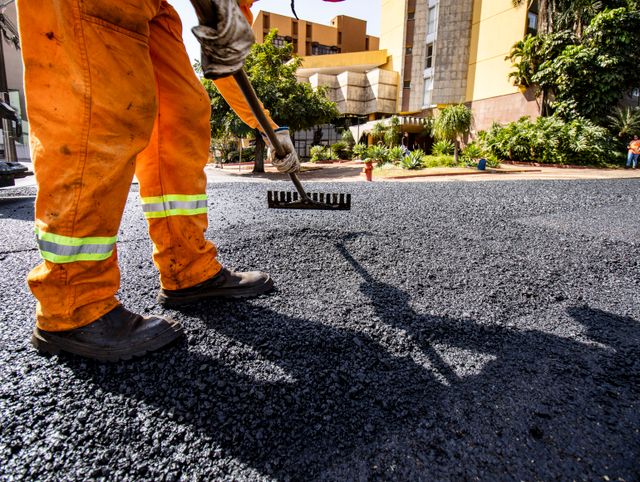
Maintaining smooth and stable surfaces reduces these risks significantly. It ensures safe movement for both vehicles and people, especially in homes with children, elderly residents, or frequent visitors.
How Surface Conditions Affect Everyday Movement
Even small imperfections in pavement can become safety concerns over time. A loose edge or uneven patch may not seem serious initially, but it can lead to trips, falls, or tire damage.
Regular maintenance ensures that these risks are identified and corrected early, creating a safer environment for everyone using the property.
Improving Drainage and Preventing Water Accumulation
Proper drainage is essential for maintaining the condition of driveways and pavements. When water collects on surfaces or flows improperly, it increases the risk of erosion, cracking, and structural weakening.
Maintenance planning includes checking slope, drainage channels, and surface alignment to ensure that water flows away from the structure. This helps preserve the integrity of the material and reduces long-term damage.
Why Water Management Protects Surface Longevity
Standing water is one of the most common causes of pavement deterioration. It weakens surface layers and accelerates wear over time.
By ensuring proper drainage, homeowners can significantly extend the lifespan of their driveways and pavements while reducing the frequency of repairs.
Enhancing Aesthetic Appeal Through Regular Maintenance
Beyond functionality, driveways and pavements contribute to the overall visual appeal of a home. Clean, smooth, and well-maintained surfaces enhance the appearance of the entire property. In contrast, damaged or stained surfaces can make even a well-designed home look neglected.
Regular cleaning, sealing, and minor repairs help maintain a fresh and polished look. This contributes to a more attractive and welcoming exterior environment.
How Clean Surfaces Improve Overall Home Presentation
A well-maintained driveway creates a sense of order and care. It complements landscaping and architectural features, helping the entire property look more cohesive.
This visual harmony is especially important for homeowners looking to maintain or increase property value over time.
Increasing Longevity Through Preventive Maintenance
Like any other part of a home, driveways and pavements last longer when they are properly maintained. Preventive care slows down deterioration and reduces the need for major repairs.
Routine maintenance tasks such as cleaning, sealing, and minor patching help protect the surface from environmental and mechanical stress. This extends the usable life of the pavement and delays costly replacement.
Why Maintenance Is More Effective Than Replacement
Preventive maintenance is always more efficient than full replacement. Once a surface reaches a severe level of damage, repairs become more complex and expensive.
By investing in regular upkeep, homeowners can maintain functionality and appearance without facing large-scale reconstruction projects.
Conclusion: Driveway Care as a Key Part of Home Maintenance Planning
Driveways and pavements are often overlooked in home care planning, but they play a critical role in safety, functionality, and property value. They are constantly exposed to stress from weather and daily use, making them vulnerable to gradual deterioration.
Including these surfaces in routine maintenance plans helps prevent costly repairs, improves safety, enhances curb appeal, and extends the overall lifespan of the property’s exterior structure.
Ultimately, a well-maintained driveway is not just a surface to park on—it is an essential part of a well-cared-for home that reflects long-term responsibility and attention to detail.
Leave a Reply