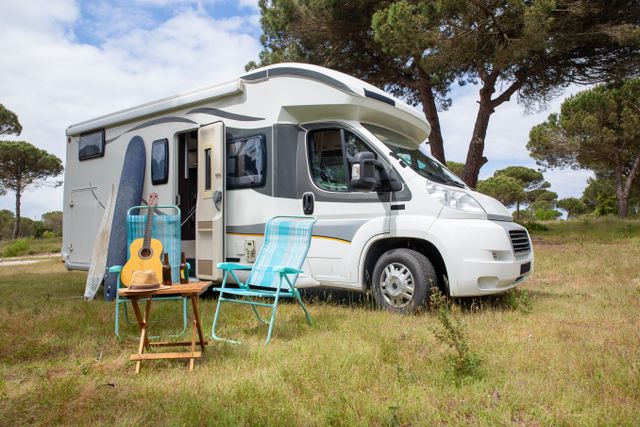
Owning an RV creates needs that continue long after the vehicle leaves the dealership. Owners need somewhere suitable to keep it between trips, routine maintenance to keep major systems working, and dependable repair options when something goes wrong. Yet the customers looking for storage are not always searching in the same way—or at the same time—as those looking for repairs.
That difference matters for marketing. An RV owner preparing for months of storage has a different priority from someone dealing with an electrical problem days before a planned trip. Businesses serving both needs have to reach customers at the right stage of RV ownership rather than promoting every service in the same way.
For companies providing RV storage and repair services, effective marketing starts with understanding these different situations. Local search, useful educational content, seasonal campaigns, clear service information, and communication with previous customers can help connect the right service with the right RV owner.
Understand What Brings Different RV Customers to the Business
RV storage and repair may operate from the same facility, but customers usually approach them with different intentions. Someone searching for storage is likely thinking about security, accessibility, space, location, and how long the RV will remain there. A repair customer is more likely concerned about diagnosing a problem and getting the vehicle ready for use.
Marketing should reflect these differences. Instead of treating RV owners as one broad audience, businesses can organize their messaging around the problems customers are actually trying to solve.
The timing of those problems also varies. Storage demand may increase when travel slows, while maintenance and repair inquiries can rise as owners prepare for upcoming trips. Recognizing these patterns makes marketing more relevant and reduces the need for constant generic promotions.
Make Local Search a Priority
RV storage and repair are strongly tied to location. Most owners do not want to travel unnecessarily far simply to store their vehicle or obtain routine maintenance. When a problem occurs, proximity can become even more important.
This makes local search visibility valuable. Business hours, location details, contact information, service areas, and available services should be accurate and consistent wherever customers may encounter the company online.
Website content should also make it clear whether the business provides storage, repair, or both. Customers should not have to call simply to determine whether a facility can accommodate their type of RV or address a general category of repair.
Local visibility is particularly useful for reaching people who have recently purchased an RV or moved into the area. These customers may not already have a trusted storage facility or repair provider and are actively building relationships with local businesses.
Answer Storage Questions Before Customers Visit
RV owners can have many questions when comparing storage facilities. They may want to understand access arrangements, available space, security measures, storage types, facility rules, and whether certain RV sizes can be accommodated.
A strong website can answer many of these questions before the customer calls. Providing clear information helps customers determine whether the facility is worth considering and can reduce repetitive inquiries for staff.
Photographs can also be useful when they accurately represent the facility. Customers may want to see parking areas, entrances, spacing, and general site conditions before bringing a large vehicle to an unfamiliar property.
Businesses should avoid vague claims that do not help customers make decisions. Specific, accurate explanations of what the storage experience involves are generally more useful than simply describing the facility as convenient or secure.
Use Repair Content to Reach Owners Before Problems Become Serious
Not every RV owner immediately recognizes when professional maintenance is needed. Small leaks, battery issues, unusual electrical behavior, tire concerns, or appliance problems can be easy to postpone, particularly when the RV is not being used regularly.
Educational marketing gives repair businesses an opportunity to reach customers earlier. Articles can explain signs that an RV may need inspection, maintenance tasks to consider before a long journey, or common issues owners should check after extended storage.
This type of content serves two purposes. It helps owners make better decisions while demonstrating that the repair business understands the practical realities of RV ownership.
The strongest educational content does not attempt to turn every minor issue into an emergency. Explaining when an owner can perform a simple check and when professional assessment may be appropriate can build more credibility than fear-based marketing.
Build Campaigns Around the Travel Calendar
RV use is often seasonal, which creates natural marketing opportunities. Owners may prepare vehicles before major travel periods, store them during quieter months, and complete maintenance after long journeys.
Marketing can follow this cycle. Before travel season, businesses can focus on inspections, maintenance, and resolving known issues. As travel slows, storage preparation and longer-term maintenance become more relevant.
This approach makes promotional communication feel connected to what customers are already thinking about. A reminder to inspect an RV before a planned travel period is more useful than the same generic repair advertisement sent throughout the year.
Local climate should also influence timing. Storage and maintenance concerns can vary considerably depending on temperature, humidity, storms, and other regional conditions. Marketing should reflect the actual environment in which customers use and store their vehicles.
Connect Storage Customers With Repair Services Naturally
A business offering both storage and repair has an advantage: it may already have an ongoing relationship with RV owners who could eventually need maintenance.
That does not mean every storage customer should constantly receive repair promotions. Instead, businesses can create useful connections between the two services. A customer preparing to take an RV out of storage, for example, may appreciate information about inspections or maintenance that should be considered before a long trip.

Similarly, someone bringing an RV in for repair may discover that the facility also offers storage. If the service is relevant, explaining the option can save the customer from searching for another provider.
Cross-service marketing works best when it solves an actual customer problem. The objective is convenience, not simply selling an additional service at every interaction.
Show the Experience Behind the Repair Work
RV systems can be complicated. Electrical equipment, plumbing, climate systems, appliances, structural components, and other areas may require different forms of expertise.
Marketing should make the company’s capabilities clear without relying on technical language that ordinary owners may not understand. Customers primarily need to know which types of problems the business can evaluate and what the repair process involves.
Explaining the process can build confidence. A business might describe how an RV is checked in, how problems are assessed, when estimates are provided, and how customers are contacted if additional work is discovered.
Authentic examples of completed work can also help. Rather than making broad claims about expertise, businesses can demonstrate the kinds of issues they regularly handle while respecting customer privacy.
Turn Customer Reviews Into Useful Trust Signals
RV owners may be particularly cautious when choosing a repair provider because the vehicle can represent a significant investment. Storage also requires trust because customers are leaving their RV at another company’s property for extended periods.
Reviews can help prospective customers evaluate these concerns. Comments about communication, scheduling, repair explanations, facility organization, and overall reliability can provide information that the business cannot communicate as convincingly through advertising alone.
Businesses should monitor feedback for patterns. If customers repeatedly praise clear repair updates, that may be a genuine strength. If several customers mention confusion about storage access, the company may have identified an area that needs improvement.
Responding professionally to feedback can also demonstrate accountability. Marketing is most effective when it reflects the actual customer experience rather than attempting to compensate for operational problems.
Keep Previous Customers Connected
An RV owner who uses a business once may need its services again months or years later. Repair needs return, travel plans change, and storage requirements can develop as living arrangements or usage patterns change.
With appropriate permission, businesses can maintain contact through email, SMS, or other suitable channels. Communication might include seasonal maintenance reminders, storage planning information, or notices relevant to previous services.
The key is moderation. RV owners do not need frequent promotions from a storage or repair business. A small number of useful messages timed around genuine ownership needs can be more effective.
Maintaining the relationship also increases the chance that customers will remember the company when another need arises. Instead of beginning a new search, they already know a provider they have dealt with before.
Make the Next Step Simple
Marketing loses much of its value if an interested customer cannot easily determine what to do next. RV businesses should provide clear routes for storage inquiries, repair requests, and general questions.
Storage customers may need to ask about availability and vehicle dimensions. Repair customers may need to describe symptoms and provide basic information about the RV. Separating these inquiry types can help businesses collect useful details without making forms unnecessarily long.
Mobile usability is also important. RV owners may search for repair assistance while traveling rather than sitting at a desktop computer. Contact information and service-request options should therefore work properly on smaller screens.
Prompt follow-up completes the experience. A customer who has taken the time to submit an inquiry should know that it has been received and what to expect next.
Marketing Around the Real RV Ownership Journey
Effective RV marketing is less about reaching every vehicle owner and more about appearing when a particular need develops. Storage, maintenance, and repair occur at different stages, and each requires a different message.
Local visibility can help nearby owners discover the business. Educational content can reach people researching maintenance problems. Seasonal communication can connect services with upcoming travel or storage periods, while customer reviews can provide reassurance before someone entrusts a business with an expensive vehicle.
For companies offering both storage and repair, the strongest opportunity is connecting these services around the actual RV ownership journey. From the months an RV spends parked to the moment it enters a service bay before the next trip, useful marketing can keep the business visible without overwhelming customers. When the right message reaches an owner at the right time, marketing becomes less about promotion and more about helping them keep their RV stored, maintained, and ready for the road.
Leave a Reply