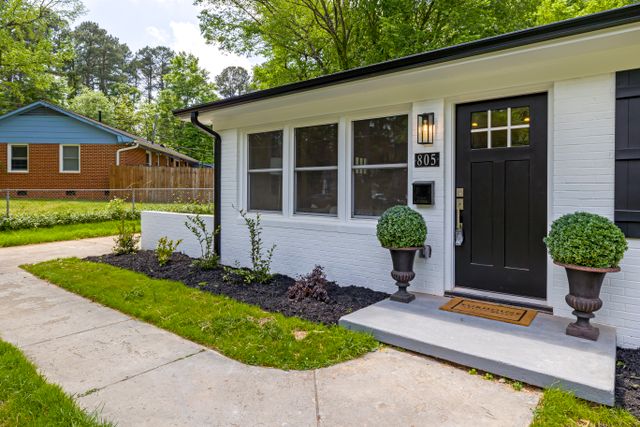
A well-designed landscape can change how people experience a property before they even step inside. Healthy lawns, maintained planting areas, thoughtful layouts, clean edges, and well-kept outdoor spaces create an immediate visual impression. For landscape businesses, however, producing attractive properties is only half of the challenge. Potential customers also need to discover the company, understand what it offers, and feel confident enough to request an estimate.
This is where marketing becomes closely connected to the work itself. Landscape design and maintenance are highly visual, location-dependent services, giving companies plenty of opportunities to demonstrate their capabilities through their online presence and local marketing.
For businesses providing landscape design and maintenance services, effective marketing should turn the results achieved on individual properties into evidence of what future customers can expect. The goal is not simply greater visibility. It is attracting the right customers by making the company’s expertise, services, and approach easy to understand.
Let Completed Projects Do Some of the Marketing
Landscaping has a major advantage over many service industries: customers can see the result. A redesigned yard, refreshed planting area, properly maintained lawn, or improved commercial landscape can demonstrate capability far more effectively than a generic claim about quality.
Companies can document completed projects and use them throughout their marketing. Before-and-after examples are particularly useful because they show the actual difference the work made. Project descriptions can add context by explaining the customer’s original problem, the approach taken, and how the finished landscape addressed the property’s needs.
Visual marketing should still be realistic. Excessively edited photographs or images that do not represent actual work can weaken trust. Authentic examples allow potential customers to judge whether a company’s style and capabilities align with what they want for their own property.
Make Local Search Part of the Growth Strategy
Most landscape businesses operate within defined geographic areas. A company may be excellent at what it does, but visibility outside its practical service area provides little value. Local marketing should therefore be a central part of customer acquisition.
Business information such as service areas, contact details, operating hours, and available services should remain accurate wherever customers may find the company. Website pages can also explain the types of landscaping work available in specific communities without creating dozens of nearly identical location pages.
Local content can go further by addressing conditions relevant to properties in the region. Climate, soil, seasonal changes, common property layouts, and local maintenance requirements can influence landscaping decisions. Discussing these factors helps demonstrate genuine familiarity with the area rather than simply inserting a city name into generic marketing copy.
Explain the Difference Between Design and Ongoing Maintenance
Potential customers do not always know exactly which landscaping service they need. Someone may search for general landscaping when they actually need a redesign, while another customer may primarily need recurring maintenance.
A company’s website should make these differences easy to understand. Landscape design may involve planning layouts, selecting appropriate plants, improving the use of outdoor spaces, and coordinating different landscape features. Maintenance focuses more on preserving the condition and appearance of existing outdoor areas over time.
Clear descriptions help customers identify the appropriate starting point. They also create opportunities for companies offering both services to explain how design and maintenance can work together. A carefully planned landscape still needs suitable ongoing care if it is expected to maintain its appearance.
Turn Seasonal Changes Into Marketing Opportunities
Landscapes change throughout the year, and customer needs change with them. This creates natural opportunities for timely marketing.
Instead of promoting every service equally throughout the year, landscaping businesses can align communication with what property owners are likely to be thinking about. Certain periods may generate more interest in cleanup and preparation, while others create demand for planting, lawn maintenance, pruning, or planning future improvements.
Educational seasonal content can be especially useful. Explaining what property owners should inspect or prepare at different points of the year gives customers practical information while keeping the business visible.
Timing matters more than frequency. A relevant message delivered when someone is beginning to think about their outdoor space is more useful than constant promotions that have little connection to current needs.
Show Customers What Their Property Could Become
One difficulty with selling landscape design is that customers are purchasing something that does not yet exist. They may know that they dislike their current yard or commercial exterior but struggle to imagine a better alternative.
Marketing can help close this imagination gap. Project galleries, detailed case examples, design explanations, and educational content can show how different problems have been addressed on other properties.

Rather than focusing only on dramatic transformations, businesses can demonstrate practical improvements. Better use of space, lower-maintenance planting choices, improved visual balance, or more organized outdoor areas may be more relevant to many customers than elaborate designs.
Showing a variety of realistic projects can also attract customers with different property sizes and budgets. People should be able to recognize situations similar to their own rather than assuming professional landscape design is intended only for unusually large projects.
Build Trust Before Asking for an Estimate
Hiring a landscaping company can involve a meaningful financial commitment, particularly for larger design or installation projects. Customers want reassurance that the company understands the work and will communicate reliably.
Marketing can begin establishing that confidence before the first conversation. Clear service descriptions, authentic project examples, useful educational information, consistent contact details, and customer feedback all contribute to credibility.
The estimate process itself also affects trust. Customers should understand what happens after they make contact, whether a site visit is required, and what information will help the company evaluate the project.
Avoiding unrealistic promises is equally important. Landscaping involves variables such as weather, plant growth, site conditions, and maintenance. Accurate expectations are more valuable over the long term than claims that sound impressive but are difficult to deliver.
Market Maintenance as an Ongoing Relationship
Landscape maintenance is different from many one-time home improvement projects. Lawns grow, plants change, weeds return, and outdoor areas continuously respond to weather and use.
This gives maintenance businesses an opportunity to build longer customer relationships. Marketing can explain the value of regular care rather than focusing entirely on isolated visits.
Existing design customers may also become maintenance customers. A company that understands how a landscape was designed may be well positioned to help preserve it. Similarly, maintenance relationships can reveal areas where future design improvements would be beneficial.
Communication should support this ongoing relationship. Seasonal recommendations, service reminders, and practical property-care information can keep customers engaged without requiring every message to be a direct promotion.
Use Customer Reviews to Reinforce Visual Proof
Project photos demonstrate what a landscaping company can create, while reviews can reveal what it is like to work with that company. Together, they provide a stronger picture of the customer experience.
Potential customers may look for comments about reliability, communication, scheduling, cleanliness, consistency, and whether the completed work matched expectations. These factors can matter just as much as the appearance of the final landscape.
Businesses should pay attention to recurring themes in customer feedback. Positive patterns can identify genuine strengths worth communicating, while repeated criticism can highlight areas requiring operational improvement.
Marketing works best when it reflects the actual service experience. A strong reputation cannot be manufactured through attractive photographs alone.
Make It Easy for Interested Customers to Take the Next Step
An impressive project gallery has limited value if visitors cannot determine how to contact the company. Every marketing channel should make the next step clear.
A potential customer may want to request an estimate, ask whether the company serves their area, discuss a design idea, or inquire about recurring maintenance. Contact options should be easy to locate and suitable for both desktop and mobile visitors.
Forms should collect enough information to make the initial conversation productive without becoming unnecessarily complicated. Asking about property type, general service needs, location, and preferred contact method may help the company understand the inquiry before responding.
Quick and professional follow-up matters as well. Marketing may generate the lead, but the experience after the inquiry often determines whether that lead becomes a customer.
Turning Great Landscapes Into Sustainable Business Growth
Landscape companies already create one of their strongest marketing assets every day: visible results. The challenge is making sure those results reach potential customers and clearly communicate why the business is worth considering.
Strong marketing combines project examples with local visibility, educational content, seasonal timing, customer reviews, clear service information, and a simple path toward requesting help. It also recognizes that landscape design and maintenance are not identical purchases and should be communicated according to the customer’s specific needs.
Ultimately, curb appeal and customer appeal are closely connected. The care a landscaping business puts into a property can become evidence of its expertise, while thoughtful marketing ensures that people searching for similar results can actually find it. When the quality of the online presence reflects the quality of the outdoor work, landscape design and maintenance companies can turn completed projects into opportunities for long-term growth.
Leave a Reply