Category: Uncategorized

  • From Curb Appeal to Customer Appeal: Marketing Landscape Design and Maintenance Services

    From Curb Appeal to Customer Appeal: Marketing Landscape Design and Maintenance Services

    A well-designed landscape can change how people experience a property before they even step inside. Healthy lawns, maintained planting areas, thoughtful layouts, clean edges, and well-kept outdoor spaces create an immediate visual impression. For landscape businesses, however, producing attractive properties is only half of the challenge. Potential customers also need to discover the company, understand what it offers, and feel confident enough to request an estimate.

    This is where marketing becomes closely connected to the work itself. Landscape design and maintenance are highly visual, location-dependent services, giving companies plenty of opportunities to demonstrate their capabilities through their online presence and local marketing.

    For businesses providing landscape design and maintenance services, effective marketing should turn the results achieved on individual properties into evidence of what future customers can expect. The goal is not simply greater visibility. It is attracting the right customers by making the company’s expertise, services, and approach easy to understand.

    Let Completed Projects Do Some of the Marketing

    Landscaping has a major advantage over many service industries: customers can see the result. A redesigned yard, refreshed planting area, properly maintained lawn, or improved commercial landscape can demonstrate capability far more effectively than a generic claim about quality.

    Companies can document completed projects and use them throughout their marketing. Before-and-after examples are particularly useful because they show the actual difference the work made. Project descriptions can add context by explaining the customer’s original problem, the approach taken, and how the finished landscape addressed the property’s needs.

    Visual marketing should still be realistic. Excessively edited photographs or images that do not represent actual work can weaken trust. Authentic examples allow potential customers to judge whether a company’s style and capabilities align with what they want for their own property.

    Make Local Search Part of the Growth Strategy

    Most landscape businesses operate within defined geographic areas. A company may be excellent at what it does, but visibility outside its practical service area provides little value. Local marketing should therefore be a central part of customer acquisition.

    Business information such as service areas, contact details, operating hours, and available services should remain accurate wherever customers may find the company. Website pages can also explain the types of landscaping work available in specific communities without creating dozens of nearly identical location pages.

    Local content can go further by addressing conditions relevant to properties in the region. Climate, soil, seasonal changes, common property layouts, and local maintenance requirements can influence landscaping decisions. Discussing these factors helps demonstrate genuine familiarity with the area rather than simply inserting a city name into generic marketing copy.

    Explain the Difference Between Design and Ongoing Maintenance

    Potential customers do not always know exactly which landscaping service they need. Someone may search for general landscaping when they actually need a redesign, while another customer may primarily need recurring maintenance.

    A company’s website should make these differences easy to understand. Landscape design may involve planning layouts, selecting appropriate plants, improving the use of outdoor spaces, and coordinating different landscape features. Maintenance focuses more on preserving the condition and appearance of existing outdoor areas over time.

    Clear descriptions help customers identify the appropriate starting point. They also create opportunities for companies offering both services to explain how design and maintenance can work together. A carefully planned landscape still needs suitable ongoing care if it is expected to maintain its appearance.

    Turn Seasonal Changes Into Marketing Opportunities

    Landscapes change throughout the year, and customer needs change with them. This creates natural opportunities for timely marketing.

    Instead of promoting every service equally throughout the year, landscaping businesses can align communication with what property owners are likely to be thinking about. Certain periods may generate more interest in cleanup and preparation, while others create demand for planting, lawn maintenance, pruning, or planning future improvements.

    Educational seasonal content can be especially useful. Explaining what property owners should inspect or prepare at different points of the year gives customers practical information while keeping the business visible.

    Timing matters more than frequency. A relevant message delivered when someone is beginning to think about their outdoor space is more useful than constant promotions that have little connection to current needs.

    Show Customers What Their Property Could Become

    One difficulty with selling landscape design is that customers are purchasing something that does not yet exist. They may know that they dislike their current yard or commercial exterior but struggle to imagine a better alternative.

    Marketing can help close this imagination gap. Project galleries, detailed case examples, design explanations, and educational content can show how different problems have been addressed on other properties.

    Rather than focusing only on dramatic transformations, businesses can demonstrate practical improvements. Better use of space, lower-maintenance planting choices, improved visual balance, or more organized outdoor areas may be more relevant to many customers than elaborate designs.

    Showing a variety of realistic projects can also attract customers with different property sizes and budgets. People should be able to recognize situations similar to their own rather than assuming professional landscape design is intended only for unusually large projects.

    Build Trust Before Asking for an Estimate

    Hiring a landscaping company can involve a meaningful financial commitment, particularly for larger design or installation projects. Customers want reassurance that the company understands the work and will communicate reliably.

    Marketing can begin establishing that confidence before the first conversation. Clear service descriptions, authentic project examples, useful educational information, consistent contact details, and customer feedback all contribute to credibility.

    The estimate process itself also affects trust. Customers should understand what happens after they make contact, whether a site visit is required, and what information will help the company evaluate the project.

    Avoiding unrealistic promises is equally important. Landscaping involves variables such as weather, plant growth, site conditions, and maintenance. Accurate expectations are more valuable over the long term than claims that sound impressive but are difficult to deliver.

    Market Maintenance as an Ongoing Relationship

    Landscape maintenance is different from many one-time home improvement projects. Lawns grow, plants change, weeds return, and outdoor areas continuously respond to weather and use.

    This gives maintenance businesses an opportunity to build longer customer relationships. Marketing can explain the value of regular care rather than focusing entirely on isolated visits.

    Existing design customers may also become maintenance customers. A company that understands how a landscape was designed may be well positioned to help preserve it. Similarly, maintenance relationships can reveal areas where future design improvements would be beneficial.

    Communication should support this ongoing relationship. Seasonal recommendations, service reminders, and practical property-care information can keep customers engaged without requiring every message to be a direct promotion.

    Use Customer Reviews to Reinforce Visual Proof

    Project photos demonstrate what a landscaping company can create, while reviews can reveal what it is like to work with that company. Together, they provide a stronger picture of the customer experience.

    Potential customers may look for comments about reliability, communication, scheduling, cleanliness, consistency, and whether the completed work matched expectations. These factors can matter just as much as the appearance of the final landscape.

    Businesses should pay attention to recurring themes in customer feedback. Positive patterns can identify genuine strengths worth communicating, while repeated criticism can highlight areas requiring operational improvement.

    Marketing works best when it reflects the actual service experience. A strong reputation cannot be manufactured through attractive photographs alone.

    Make It Easy for Interested Customers to Take the Next Step

    An impressive project gallery has limited value if visitors cannot determine how to contact the company. Every marketing channel should make the next step clear.

    A potential customer may want to request an estimate, ask whether the company serves their area, discuss a design idea, or inquire about recurring maintenance. Contact options should be easy to locate and suitable for both desktop and mobile visitors.

    Forms should collect enough information to make the initial conversation productive without becoming unnecessarily complicated. Asking about property type, general service needs, location, and preferred contact method may help the company understand the inquiry before responding.

    Quick and professional follow-up matters as well. Marketing may generate the lead, but the experience after the inquiry often determines whether that lead becomes a customer.

    Turning Great Landscapes Into Sustainable Business Growth

    Landscape companies already create one of their strongest marketing assets every day: visible results. The challenge is making sure those results reach potential customers and clearly communicate why the business is worth considering.

    Strong marketing combines project examples with local visibility, educational content, seasonal timing, customer reviews, clear service information, and a simple path toward requesting help. It also recognizes that landscape design and maintenance are not identical purchases and should be communicated according to the customer’s specific needs.

    Ultimately, curb appeal and customer appeal are closely connected. The care a landscaping business puts into a property can become evidence of its expertise, while thoughtful marketing ensures that people searching for similar results can actually find it. When the quality of the online presence reflects the quality of the outdoor work, landscape design and maintenance companies can turn completed projects into opportunities for long-term growth.


  • From Driveway to Service Bay: Marketing RV Storage and Repair to the Right Customers

    From Driveway to Service Bay: Marketing RV Storage and Repair to the Right Customers

    Owning an RV creates needs that continue long after the vehicle leaves the dealership. Owners need somewhere suitable to keep it between trips, routine maintenance to keep major systems working, and dependable repair options when something goes wrong. Yet the customers looking for storage are not always searching in the same way—or at the same time—as those looking for repairs.

    That difference matters for marketing. An RV owner preparing for months of storage has a different priority from someone dealing with an electrical problem days before a planned trip. Businesses serving both needs have to reach customers at the right stage of RV ownership rather than promoting every service in the same way.

    For companies providing RV storage and repair services, effective marketing starts with understanding these different situations. Local search, useful educational content, seasonal campaigns, clear service information, and communication with previous customers can help connect the right service with the right RV owner.

    Understand What Brings Different RV Customers to the Business

    RV storage and repair may operate from the same facility, but customers usually approach them with different intentions. Someone searching for storage is likely thinking about security, accessibility, space, location, and how long the RV will remain there. A repair customer is more likely concerned about diagnosing a problem and getting the vehicle ready for use.

    Marketing should reflect these differences. Instead of treating RV owners as one broad audience, businesses can organize their messaging around the problems customers are actually trying to solve.

    The timing of those problems also varies. Storage demand may increase when travel slows, while maintenance and repair inquiries can rise as owners prepare for upcoming trips. Recognizing these patterns makes marketing more relevant and reduces the need for constant generic promotions.

    Make Local Search a Priority

    RV storage and repair are strongly tied to location. Most owners do not want to travel unnecessarily far simply to store their vehicle or obtain routine maintenance. When a problem occurs, proximity can become even more important.

    This makes local search visibility valuable. Business hours, location details, contact information, service areas, and available services should be accurate and consistent wherever customers may encounter the company online.

    Website content should also make it clear whether the business provides storage, repair, or both. Customers should not have to call simply to determine whether a facility can accommodate their type of RV or address a general category of repair.

    Local visibility is particularly useful for reaching people who have recently purchased an RV or moved into the area. These customers may not already have a trusted storage facility or repair provider and are actively building relationships with local businesses.

    Answer Storage Questions Before Customers Visit

    RV owners can have many questions when comparing storage facilities. They may want to understand access arrangements, available space, security measures, storage types, facility rules, and whether certain RV sizes can be accommodated.

    A strong website can answer many of these questions before the customer calls. Providing clear information helps customers determine whether the facility is worth considering and can reduce repetitive inquiries for staff.

    Photographs can also be useful when they accurately represent the facility. Customers may want to see parking areas, entrances, spacing, and general site conditions before bringing a large vehicle to an unfamiliar property.

    Businesses should avoid vague claims that do not help customers make decisions. Specific, accurate explanations of what the storage experience involves are generally more useful than simply describing the facility as convenient or secure.

    Use Repair Content to Reach Owners Before Problems Become Serious

    Not every RV owner immediately recognizes when professional maintenance is needed. Small leaks, battery issues, unusual electrical behavior, tire concerns, or appliance problems can be easy to postpone, particularly when the RV is not being used regularly.

    Educational marketing gives repair businesses an opportunity to reach customers earlier. Articles can explain signs that an RV may need inspection, maintenance tasks to consider before a long journey, or common issues owners should check after extended storage.

    This type of content serves two purposes. It helps owners make better decisions while demonstrating that the repair business understands the practical realities of RV ownership.

    The strongest educational content does not attempt to turn every minor issue into an emergency. Explaining when an owner can perform a simple check and when professional assessment may be appropriate can build more credibility than fear-based marketing.

    Build Campaigns Around the Travel Calendar

    RV use is often seasonal, which creates natural marketing opportunities. Owners may prepare vehicles before major travel periods, store them during quieter months, and complete maintenance after long journeys.

    Marketing can follow this cycle. Before travel season, businesses can focus on inspections, maintenance, and resolving known issues. As travel slows, storage preparation and longer-term maintenance become more relevant.

    This approach makes promotional communication feel connected to what customers are already thinking about. A reminder to inspect an RV before a planned travel period is more useful than the same generic repair advertisement sent throughout the year.

    Local climate should also influence timing. Storage and maintenance concerns can vary considerably depending on temperature, humidity, storms, and other regional conditions. Marketing should reflect the actual environment in which customers use and store their vehicles.

    Connect Storage Customers With Repair Services Naturally

    A business offering both storage and repair has an advantage: it may already have an ongoing relationship with RV owners who could eventually need maintenance.

    That does not mean every storage customer should constantly receive repair promotions. Instead, businesses can create useful connections between the two services. A customer preparing to take an RV out of storage, for example, may appreciate information about inspections or maintenance that should be considered before a long trip.

    Similarly, someone bringing an RV in for repair may discover that the facility also offers storage. If the service is relevant, explaining the option can save the customer from searching for another provider.

    Cross-service marketing works best when it solves an actual customer problem. The objective is convenience, not simply selling an additional service at every interaction.

    Show the Experience Behind the Repair Work

    RV systems can be complicated. Electrical equipment, plumbing, climate systems, appliances, structural components, and other areas may require different forms of expertise.

    Marketing should make the company’s capabilities clear without relying on technical language that ordinary owners may not understand. Customers primarily need to know which types of problems the business can evaluate and what the repair process involves.

    Explaining the process can build confidence. A business might describe how an RV is checked in, how problems are assessed, when estimates are provided, and how customers are contacted if additional work is discovered.

    Authentic examples of completed work can also help. Rather than making broad claims about expertise, businesses can demonstrate the kinds of issues they regularly handle while respecting customer privacy.

    Turn Customer Reviews Into Useful Trust Signals

    RV owners may be particularly cautious when choosing a repair provider because the vehicle can represent a significant investment. Storage also requires trust because customers are leaving their RV at another company’s property for extended periods.

    Reviews can help prospective customers evaluate these concerns. Comments about communication, scheduling, repair explanations, facility organization, and overall reliability can provide information that the business cannot communicate as convincingly through advertising alone.

    Businesses should monitor feedback for patterns. If customers repeatedly praise clear repair updates, that may be a genuine strength. If several customers mention confusion about storage access, the company may have identified an area that needs improvement.

    Responding professionally to feedback can also demonstrate accountability. Marketing is most effective when it reflects the actual customer experience rather than attempting to compensate for operational problems.

    Keep Previous Customers Connected

    An RV owner who uses a business once may need its services again months or years later. Repair needs return, travel plans change, and storage requirements can develop as living arrangements or usage patterns change.

    With appropriate permission, businesses can maintain contact through email, SMS, or other suitable channels. Communication might include seasonal maintenance reminders, storage planning information, or notices relevant to previous services.

    The key is moderation. RV owners do not need frequent promotions from a storage or repair business. A small number of useful messages timed around genuine ownership needs can be more effective.

    Maintaining the relationship also increases the chance that customers will remember the company when another need arises. Instead of beginning a new search, they already know a provider they have dealt with before.

    Make the Next Step Simple

    Marketing loses much of its value if an interested customer cannot easily determine what to do next. RV businesses should provide clear routes for storage inquiries, repair requests, and general questions.

    Storage customers may need to ask about availability and vehicle dimensions. Repair customers may need to describe symptoms and provide basic information about the RV. Separating these inquiry types can help businesses collect useful details without making forms unnecessarily long.

    Mobile usability is also important. RV owners may search for repair assistance while traveling rather than sitting at a desktop computer. Contact information and service-request options should therefore work properly on smaller screens.

    Prompt follow-up completes the experience. A customer who has taken the time to submit an inquiry should know that it has been received and what to expect next.

    Marketing Around the Real RV Ownership Journey

    Effective RV marketing is less about reaching every vehicle owner and more about appearing when a particular need develops. Storage, maintenance, and repair occur at different stages, and each requires a different message.

    Local visibility can help nearby owners discover the business. Educational content can reach people researching maintenance problems. Seasonal communication can connect services with upcoming travel or storage periods, while customer reviews can provide reassurance before someone entrusts a business with an expensive vehicle.

    For companies offering both storage and repair, the strongest opportunity is connecting these services around the actual RV ownership journey. From the months an RV spends parked to the moment it enters a service bay before the next trip, useful marketing can keep the business visible without overwhelming customers. When the right message reaches an owner at the right time, marketing becomes less about promotion and more about helping them keep their RV stored, maintained, and ready for the road.

  • Building Trust With Parents: What Childcare Learning Centers Can Learn From Home Services Marketing

    Building Trust With Parents: What Childcare Learning Centers Can Learn From Home Services Marketing

    Choosing a childcare learning center is not an ordinary purchasing decision. Parents are deciding who will spend significant time with their child, how that child will be cared for, and what kind of environment will shape part of their early learning experience. Before enrollment is even discussed, parents need confidence in the people, routines, communication, and environment behind the service.

    Home services businesses face a different situation, but there is an important similarity: customers are allowing someone into a highly personal part of their lives. Successful home services marketing therefore tends to emphasize credibility, local reputation, clear expectations, responsiveness, and evidence that a business can be trusted.

    A supportive childcare learning center can apply many of the same principles without treating childcare like a typical consumer service. Clear online information, authentic communication, local visibility, parent feedback, and an easy inquiry process can help families understand a center before they make the much bigger decision of trusting it with their children.

    Build Marketing Around Trust Before Enrollment

    Home service providers understand that customers often research a business carefully before allowing workers onto their property. They check reviews, visit websites, look at photographs, compare services, and search for signs that the company is established and dependable.

    Parents often perform even more research when considering childcare. They may visit several websites, read parent experiences, examine program information, ask people they know, and eventually tour multiple centers.

    Childcare marketing should support this research rather than immediately pushing parents toward enrollment. A website should help families understand the center’s approach, age groups served, daily routines, learning environment, communication practices, and enrollment process.

    When basic information is difficult to find, uncertainty grows. Providing clear answers gives parents a stronger foundation for deciding whether they want to learn more.

    Make the Website Feel Like an Introduction to the Center

    A home services website often acts as the first meeting between the business and the customer. The same is true for childcare centers.

    Parents visiting a childcare website are not simply looking for a phone number. They are trying to understand what daily life at the center might feel like. Generic descriptions such as “high-quality care” provide little help unless they are supported by meaningful information.

    The website can explain how children spend their day, how learning activities are approached, how staff communicate with families, and how transitions into the center are managed. Information about safety practices, staff qualifications, schedules, meals where applicable, and other practical matters can also help parents prepare better questions.

    The goal is not to recreate an entire center tour online. It is to provide enough clarity that parents feel comfortable taking the next step.

    Treat Local Visibility as a Major Part of Marketing

    Home services marketing is strongly local because customers usually need providers operating within a practical distance. Childcare is similarly location-dependent.

    Parents often need a center reasonably close to home, work, school routes, or their normal commute. That makes accurate local information especially important.

    Business listings should contain correct contact information, operating hours, location details, and other relevant information. The center’s website should also make its location and service area easy to understand.

    Local visibility can be particularly valuable for families who have recently moved, changed jobs, or reached the stage when they need childcare for the first time. These parents may not have personal recommendations available and may depend heavily on online research to create their initial shortlist.

    Answer the Questions Parents Are Already Asking

    Good home services marketing frequently uses educational content to answer practical customer questions. A maintenance company might explain when a particular service is needed or what customers should expect during an appointment.

    Childcare centers can use educational content in a similar way. Parents may have questions about preparing a child for their first day, helping with separation, establishing routines, understanding age-appropriate learning, or transitioning between age groups.

    Answering these questions can demonstrate how the center thinks about children’s everyday experiences. It also gives parents useful information even before they become enrolled families.

    Educational content should remain within the center’s appropriate area of expertise. It should not make exaggerated claims about child development or promise particular educational outcomes. Helpful, realistic information is more credible than content designed simply to impress parents.

    Use Reviews as Evidence Rather Than Advertising Copy

    Home service customers frequently rely on reviews because they want evidence from people who have already used the service. Parent experiences can play a similar role in childcare decisions.

    A center can describe itself as welcoming, communicative, or organized, but families may place greater weight on hearing how other parents experienced those qualities.

    Reviews can reveal details that formal marketing often misses. Parents may mention how staff handled a child’s transition, how communication worked, whether questions were answered promptly, or how their child responded to the environment.

    Centers should also pay attention to patterns within feedback rather than viewing reviews only as promotional material. Repeated concerns may identify parts of the parent experience that need attention. Trust grows when the actual service supports the promises made in marketing.

    Make Inquiries Easy for Busy Parents

    Home services businesses can lose potential customers when requesting an estimate is unnecessarily complicated. Childcare centers can face the same problem when their inquiry process is confusing.

    Parents researching childcare are often balancing work, family responsibilities, transportation, and other commitments. They should be able to determine how to ask about availability, arrange a visit, or learn about enrollment without searching through several pages.

    Inquiry forms should collect enough information to help staff respond without demanding excessive details at the first stage. Parents may initially need only to provide basic contact information, the child’s age or expected program, and their approximate childcare timeline.

    Prompt acknowledgement also matters. Even when staff cannot provide an immediate answer, confirming that an inquiry has been received gives parents confidence that they have reached the right place.

    Make Center Tours Part of the Marketing Experience

    In home services, the transition from online inquiry to an in-person visit can strongly influence whether a customer moves forward. Childcare center tours play an even more important role.

    Parents use tours to evaluate things that cannot be fully understood online. They observe the environment, meet staff, ask questions, and gain a better sense of how the center operates.

    The experience should match what the website and other marketing have communicated. If online messaging emphasizes clear parent communication, for example, staff conducting tours should be prepared to explain how that communication actually happens.

    A tour should also give parents space to ask difficult or highly specific questions. Trust is more likely to develop through open conversation than through a tightly scripted sales presentation.

    Show the People Behind the Childcare Experience

    Home service companies often build credibility by introducing the people who will actually perform the work. Customers feel more comfortable when they know something about the professionals entering their homes.

    For childcare centers, the people behind the service matter even more. Parents want to understand who interacts with children and what kind of experience, training, and approach staff bring to their roles.

    Appropriate staff introductions can make a center feel less anonymous. They can also help families understand the roles different team members play throughout the day.

    However, childcare organizations should be careful about privacy and security when sharing staff or children’s information online. Marketing should provide reassurance without exposing personal information unnecessarily.

    Communicate Consistently After a Family Enrolls

    Marketing should not end once a parent signs enrollment paperwork. In many ways, the experience after enrollment determines whether the trust created during marketing was justified.

    Home services companies often strengthen customer relationships through appointment reminders, service updates, and follow-up communication. Childcare centers can apply the same principle through appropriate family communication.

    Parents may need reminders about schedules, events, closures, required items, administrative deadlines, or changes affecting the center. Regular communication can reduce confusion and help families feel connected to what is happening.

    The exact channels used will vary, but consistency is important. Parents should know where important information will appear and how they can contact the center when they have questions.

    Avoid Marketing That Creates Unnecessary Pressure

    Some marketing techniques common in consumer industries are poorly suited to childcare. Parents should not feel pushed into making a major care decision because of aggressive messaging or artificial urgency.

    If availability is genuinely limited, centers can communicate that clearly. But the information should help parents plan rather than pressure them into making an immediate decision.

    Claims about learning and child development also require care. Marketing should accurately represent what the center provides without suggesting guaranteed developmental, academic, or behavioral outcomes.

    Childcare involves relationships, individual children, families, and professional responsibilities. Marketing should reflect that seriousness. A calm, informative approach is more consistent with the trust parents are being asked to place in the organization.

    Let the Real Experience Support the Marketing

    Home services businesses eventually learn an important lesson: advertising cannot permanently compensate for poor service. Childcare centers face the same reality, with much higher stakes.

    A polished website may generate an inquiry, but parents will judge the center based on what happens afterward. Response times, tours, staff interactions, communication, organization, and the child’s everyday experience all influence the family’s perception.

    Marketing and operations should therefore tell the same story. If a center promotes responsiveness, parents should experience responsive communication. If it emphasizes a supportive environment, that quality should be visible during tours and everyday interactions.

    This consistency also strengthens word-of-mouth referrals. Parents who genuinely trust a center can become one of its most credible sources of future inquiries.

    Building Visibility Without Losing the Human Side of Childcare

    Childcare learning centers can learn useful marketing lessons from home services without copying the industry directly. Both depend heavily on local reputation, trust, responsiveness, clear expectations, and relationships that develop after the initial inquiry.

    For childcare centers, those principles should be applied with additional care. Families need meaningful information, easy ways to ask questions, authentic parent experiences, transparent communication, and opportunities to meet the people behind the center.

    The purpose of marketing is not to convince every parent that one center is right for them. It is to help the right families understand what the center offers and decide whether it matches what they need.

    When the online experience, center tour, staff interactions, and everyday care all support the same message, trust becomes much more than a marketing claim. It becomes something parents can see and experience for themselves—and that is ultimately what can turn an initial childcare search into a lasting relationship between a center and a family.

  • Growing a Wetlands and Native Plant Business Through Home Services Marketing

    Growing a Wetlands and Native Plant Business Through Home Services Marketing

    Wetlands and native plant businesses occupy an unusual position in the home services market. Their work may involve planting and restoration, but customers are not necessarily searching for them in the same way they look for lawn care or general landscaping. Property conditions, ecological goals, drainage concerns, native habitat, and long-term site management can all influence why someone needs these specialized services.

    That creates a marketing challenge. Potential customers may recognize a problem on their property without knowing what type of professional can address it. Others may be interested in native plants but need help understanding how they fit into a residential or managed property.

    For companies providing wetlands and native plant services, home services marketing offers several useful lessons. Strong local visibility, educational content, clear service explanations, project examples, reviews, and straightforward inquiries can help specialized businesses connect with property owners who are already looking for solutions.

    Start Marketing With the Problem the Property Owner Recognizes

    Home services marketing works particularly well when it reflects the language customers use to describe their problems. Someone with a leaking roof searches for the leak before learning about the technical repair process. Wetlands and native plant businesses can apply the same principle.

    Property owners may notice persistent wet areas, erosion, invasive vegetation, poor plant performance, or parts of a property that are difficult to manage conventionally. Others may simply want to replace non-native vegetation with plants better suited to local conditions.

    Marketing can begin with these recognizable situations before introducing specialized terminology. This makes services easier to understand for people who do not already have experience with ecological restoration or native planting.

    Technical knowledge remains important, but it should help answer the customer’s question rather than make the service harder to understand.

    Make Local Search Visibility a Priority

    Wetland conditions and appropriate native plants vary by region, making local expertise especially valuable. A property owner generally needs information relevant to the conditions where the property is actually located.

    This gives local search an important role. Accurate business information, service areas, contact details, and clear descriptions of the work performed can help customers determine whether a company serves their location.

    Website content can also address locally relevant topics. Instead of discussing native plants only in broad terms, businesses can explain how local soil, moisture, seasonal conditions, and other environmental factors influence plant selection and site planning.

    Local visibility can also connect the company with customers who were not specifically searching for a native plant specialist. Someone researching erosion, difficult wet areas, or lower-maintenance planting may discover that native vegetation is part of the appropriate solution.

    Educate Before Trying to Sell

    Education is one of the strongest marketing tools available to specialized home service providers. Customers are more comfortable requesting professional help when they understand why the service may be necessary.

    Wetlands and native plant businesses have many opportunities for educational content. They can explain why certain plants perform better under particular site conditions, how invasive species can affect native vegetation, why wet areas require different planning, or what homeowners should consider before changing vegetation near sensitive areas.

    Educational content also helps set realistic expectations. Native planting does not mean placing a few plants in the ground and immediately creating a mature ecosystem. Establishment can take time, and appropriate maintenance may still be necessary.

    Clear explanations demonstrate expertise without relying on aggressive promotion. They allow customers to learn first and contact the business when they recognize that professional assistance would be useful.

    Show Projects as a Process, Not Just a Finished Picture

    Before-and-after photographs are common in home services marketing because customers want to see results. They can also be valuable for wetlands and native plant work, but the story between the two images matters.

    A completed native planting may look very different shortly after installation compared with several growing seasons later. Restoration projects may also involve site preparation, invasive plant management, erosion control, or other work that is not obvious from a final photograph.

    Project examples can explain the original site condition, the objective, the approach taken, and how the area changed over time. This gives potential customers a more realistic picture of what professional work involves.

    Long-term examples can be particularly useful. Showing how a site develops over time demonstrates that successful native planting and restoration should be evaluated beyond the day installation is completed.

    Separate Services So Customers Know What They Need

    Specialized businesses sometimes describe everything they do in technical terms because those categories make sense internally. Customers may not understand the distinctions.

    A website should clearly explain the major services available and the types of property situations associated with each one. Native planting, restoration, invasive plant management, wet-area planting, habitat-focused work, and ongoing maintenance may require different approaches.

    Clear service pages can help visitors identify the closest match to their needs. They also improve the quality of inquiries because customers arrive with a better idea of what they are asking about.

    There will always be properties where the correct service cannot be determined until the site is evaluated. Marketing does not need to diagnose the property online. Its job is to help the owner understand why an assessment may be the appropriate next step.

    Build Trust Through Useful Reviews and Testimonials

    Homeowners often rely on reviews when choosing people to work on their property. For specialized environmental work, reviews can be even more valuable because customers may have fewer familiar reference points for comparing providers.

    The most useful reviews go beyond saying that a company did a good job. Comments about communication, site knowledge, explanations, project organization, follow-up, and long-term results can help prospective customers understand what working with the business is actually like.

    Businesses can encourage genuine feedback after appropriate stages of a project without attempting to control what customers say. Over time, reviews can create a record of real experiences across different types of work.

    Feedback can also expose areas that need improvement. If several customers mention confusion about maintenance after installation, for example, the business may need to provide clearer aftercare information.

    Make the Initial Site Inquiry Easier

    A wetlands or native plant project often cannot be accurately planned without seeing the property. Still, the process leading to that evaluation can be simplified.

    Potential customers should be able to describe their concern without completing an overly technical form. Basic information such as property location, the type of issue observed, approximate project area, and photographs where appropriate may provide a useful starting point.

    The business can then determine whether a site visit or further conversation is necessary. This approach reduces friction while avoiding promises based on incomplete information.

    Prompt acknowledgement also matters. Property owners may be contacting several professionals, particularly when a problem is actively affecting their land. Confirming that the inquiry was received and explaining what happens next creates a more organized first impression.

    Use Seasonal Marketing Around Real Property Needs

    Native plant and wetland work is influenced by seasons, weather, plant cycles, and site conditions. Marketing should reflect those realities rather than running the same message throughout the year.

    Certain periods may be better for planning, planting, monitoring, invasive species management, or other work. Educational campaigns can help property owners understand why timing matters and when they should begin discussing a project.

    Seasonal marketing can also encourage earlier planning. Customers sometimes wait until they want a project completed before contacting a professional, only to discover that site assessment, planning, plant availability, or suitable working conditions require additional time.

    Communicating these timelines helps customers make better decisions while allowing businesses to manage project schedules more effectively.

    Maintain Relationships After Installation

    Home services businesses often benefit from repeat customers, and wetlands and native plant companies have similar opportunities. A successful installation may require monitoring, maintenance, invasive species control, or adjustments as vegetation becomes established.

    Following up after a project helps customers understand what they should expect. Some plants may establish at different rates, seasonal appearances will change, and unexpected site conditions may require attention.

    Businesses can provide appropriate care guidance and explain when professional follow-up may be useful. This creates a relationship based on the long-term performance of the site rather than ending communication immediately after installation.

    Ongoing relationships can also generate referrals. Property owners who understand the work and see how their site develops are better positioned to explain the value of the service to neighbors or other property owners.

    Avoid Oversimplifying Environmental Claims

    Marketing native plants and wetland services naturally involves environmental benefits, but businesses should be careful with broad promises.

    Native vegetation can provide important ecological functions, but outcomes depend on plant selection, site conditions, establishment, management, and many other factors. Similarly, wetland-related work can involve regulatory or technical considerations that vary by location and project.

    Marketing should explain potential benefits accurately without suggesting that every native planting will automatically solve drainage, erosion, habitat, or maintenance problems.

    Businesses should also distinguish between services they are qualified to provide and situations requiring other environmental, engineering, regulatory, or technical professionals. Responsible marketing builds trust by recognizing these limits rather than promising a solution to every property problem.

    Turn Expertise Into the Main Marketing Advantage

    Wetlands and native plant businesses do not need to compete with general home service providers by trying to appear broader. Their specialization can be the reason customers choose them.

    Home services marketing provides the tools to make that expertise easier to discover. Search visibility helps property owners find the business. Educational content explains unfamiliar problems. Project examples demonstrate real work, while reviews and clear communication reduce uncertainty.

    The key is translating technical expertise into information that ordinary property owners can understand. Customers do not need to become wetland or native plant specialists before requesting help. They simply need enough information to recognize that the company understands their situation.

    Growing Through Better Customer Connections

    Growth for a wetlands and native plant business does not have to come from louder advertising. It can come from making specialized knowledge more accessible to the people who need it.

    Property owners may begin with a wet section of land, unwanted vegetation, erosion concerns, or an interest in creating a more locally appropriate planting scheme. Effective home services marketing connects those initial concerns with useful information and a clear path toward professional assistance.

    Local search, educational content, project documentation, reviews, seasonal communication, and straightforward inquiries can all contribute to that process. Just as importantly, follow-up can turn one project into a longer relationship centered on how the property develops over time.

    For wetlands and native plant businesses, the strongest marketing advantage is often the expertise they already possess. Home services marketing simply helps that expertise reach the right property owner at the right moment.

  • Beyond Emergency Repairs: How Industrial Tool Companies Can Build a Steady Project Pipeline Locally

    Beyond Emergency Repairs: How Industrial Tool Companies Can Build a Steady Project Pipeline Locally

    Many industrial tool companies generate a significant portion of their revenue from urgent customer needs. A machine fails unexpectedly, a critical tool breaks during production, or a contractor discovers they are missing equipment before a job begins. These situations create immediate sales opportunities, but they also make revenue unpredictable.

    Emergency purchases will always be part of the industrial market, but businesses that rely on them alone often experience uneven workloads, inconsistent cash flow, and constant pressure to replace completed jobs with new ones.

    The companies that grow steadily take a different approach. They build relationships before customers face urgent problems. They become trusted local partners for manufacturers, contractors, maintenance teams, municipalities, and industrial facilities by supporting planned projects, preventive maintenance, and long-term operational needs.

    Developing a dependable local project pipeline requires shifting from being the company customers call only during emergencies to becoming the business they involve in planning months before work begins.

    Emergency Sales Are Valuable but Difficult to Predict

    There is nothing wrong with serving customers during emergencies. Fast response times and reliable inventory can become major competitive advantages.

    The challenge is that emergency demand is impossible to forecast accurately.

    One month may bring several major equipment failures, while the next may be unusually quiet. Staffing decisions become more difficult, inventory planning becomes less efficient, and forecasting revenue becomes increasingly uncertain.

    Emergency purchasing also creates intense price competition. Customers facing production downtime or delayed construction schedules often make decisions quickly, but they may also contact several suppliers at once in search of immediate availability.

    When every sale depends on an urgent situation, growth becomes tied to circumstances outside the company’s control.

    A healthier business balances emergency work with planned projects that provide greater visibility into future revenue.

    Become Part of Customers’ Planning Process

    Industrial projects rarely appear overnight.

    Factory expansions, warehouse upgrades, municipal infrastructure work, commercial construction, utility improvements, and scheduled maintenance shutdowns are often planned months in advance.

    Companies that participate early in these conversations have a much better chance of supplying the required tools, equipment, and consumables.

    Building these relationships starts with understanding local industries.

    Manufacturing plants may schedule annual maintenance shutdowns during slower production periods. Contractors often know upcoming projects well before construction begins. Facility managers prepare capital improvement budgets months before equipment is purchased.

    Rather than waiting for purchase orders to arrive, successful suppliers stay engaged with customers throughout the planning cycle.

    Regular communication helps identify upcoming opportunities while allowing customers to benefit from product recommendations, availability planning, and realistic delivery schedules.

    Build Relationships Beyond the Purchasing Department

    Purchasing professionals remain important decision-makers, but they are rarely the only people influencing industrial buying decisions.

    Maintenance supervisors, operations managers, production engineers, safety managers, project managers, and plant leadership all contribute to equipment selection and supplier evaluation.

    Industrial tool companies that build relationships across multiple departments become more deeply integrated into customer operations.

    For example, a maintenance manager may identify recurring equipment challenges before procurement becomes involved. A project engineer may begin evaluating tool requirements long before bids are finalized. Safety personnel may recommend upgraded equipment that reduces workplace risk.

    Understanding these different priorities allows suppliers to provide more relevant guidance while strengthening long-term partnerships.

    Relationships built across several teams are generally more resilient than those dependent on a single purchasing contact.

    Support Preventive Maintenance Instead of Waiting for Failures

    Emergency repairs generate immediate demand, but preventive maintenance creates recurring opportunities.

    Most industrial organizations already follow scheduled maintenance programs to reduce unexpected downtime.

    Tool companies can support these programs by helping customers prepare before maintenance begins.

    This may include reviewing tool inventories, identifying worn equipment approaching replacement, recommending consumables required during shutdowns, or coordinating deliveries around scheduled maintenance windows.

    Planning ahead benefits both parties.

    Customers reduce the likelihood of project delays caused by missing equipment, while suppliers gain more predictable purchasing schedules that improve inventory management.

    Instead of reacting to breakdowns, both businesses operate more efficiently.

    Focus on Local Industry Specialization

    Trying to serve every industrial customer equally often results in generic marketing and weaker relationships.

    Many successful industrial suppliers develop strong expertise within specific local industries.

    A region with significant food manufacturing will have different tooling requirements than an area dominated by oil and gas, aerospace, automotive manufacturing, mining, or municipal utilities.

    Understanding the operational challenges of these industries allows suppliers to provide recommendations that extend beyond product availability.

    Customers value suppliers who understand production schedules, regulatory requirements, maintenance practices, and common operational challenges because those conversations become more productive.

    Industry knowledge also improves credibility during project planning discussions.

    Instead of simply selling equipment, the supplier becomes a valuable source of practical advice.

    Make Local Availability a Competitive Advantage

    Industrial customers often need products quickly, but speed involves more than responding to emergencies.

    Reliable local inventory, accurate delivery estimates, and dependable fulfillment create confidence throughout planned projects as well.

    Customers managing construction schedules or maintenance shutdowns cannot afford uncertainty.

    Knowing that a local supplier can consistently deliver required tools on schedule reduces project risk.

    Local businesses also benefit from stronger communication.

    Questions can often be answered faster, site visits become easier to arrange, and unexpected issues can be resolved without lengthy shipping delays.

    Availability becomes a competitive advantage when customers know they can depend on the supplier throughout the project, not only when something goes wrong.

    Stay Visible Between Purchases

    Many industrial purchases occur weeks or months apart.

    If customers only hear from a supplier when a sales representative is requesting another order, maintaining long-term relationships becomes difficult.

    Remaining visible between purchases helps keep the business top of mind.

    Sharing practical maintenance advice, updates about industry regulations, safety guidance, or planning considerations provides ongoing value without constantly promoting products.

    Customers appreciate suppliers who contribute useful information that supports their operations.

    Regular communication also creates opportunities to discuss future projects before purchasing decisions have already been made.

    The goal is to become a trusted resource rather than simply another vendor competing for transactional sales.

    Use Technology to Strengthen Local Relationships

    Digital tools can improve customer relationships without replacing personal interaction.

    Online catalogs, digital quotes, inventory visibility, order tracking, and appointment scheduling make it easier for customers to do business.

    Customer relationship management systems also help suppliers track upcoming projects, maintenance schedules, previous purchases, and follow-up opportunities.

    This information allows sales teams to have more informed conversations based on actual customer needs instead of generic sales outreach.

    However, technology should support local expertise rather than replace it.

    Industrial purchasing often involves technical questions, application guidance, and operational planning that benefit from experienced professionals who understand the customer’s business.

    The strongest relationships combine digital convenience with knowledgeable local support.

    Referrals Grow Naturally Through Reliable Partnerships

    Industrial buyers place significant value on reputation.

    A recommendation from another manufacturer, contractor, facility manager, or maintenance supervisor often carries far more weight than traditional advertising.

    Companies earn these referrals by consistently delivering dependable service throughout every stage of the customer relationship.

    Meeting delivery commitments, providing accurate technical guidance, communicating clearly, and helping customers avoid costly delays all contribute to a reputation that encourages word-of-mouth recommendations.

    Local business communities are often closely connected.

    Successfully supporting one project can lead to introductions across multiple facilities, contractors, or organizations within the same region.

    Strong relationships therefore become one of the most effective long-term growth strategies available.

    Long-Term Growth Comes From Planned Work as Well as Urgent Needs

    Emergency repairs will always remain an important source of revenue for industrial tool companies. There will always be unexpected breakdowns, urgent replacement needs, and time-sensitive purchases that require immediate action.

    The businesses that achieve more consistent growth, however, do not depend entirely on those situations.

    By participating in project planning, supporting preventive maintenance, developing relationships across multiple decision-makers, specializing in local industries, and remaining engaged between purchases, industrial suppliers create a more stable pipeline of opportunities.

    That approach improves revenue predictability while strengthening customer loyalty. Instead of being remembered only when something breaks, the company becomes a trusted partner involved in helping customers plan, prepare, and operate more effectively.

    Over time, those relationships generate repeat business, referrals, and larger projects that are far less dependent on emergencies. For industrial tool companies looking to build sustainable local growth, that shift from reactive selling to proactive partnership may be the most valuable investment they can make.

  • From Before-and-After Photos to Better Leads: A Marketing Blueprint for Remodeling Contractors

    From Before-and-After Photos to Better Leads: A Marketing Blueprint for Remodeling Contractors

    Few industries produce marketing assets as naturally as home remodeling. Every completed kitchen, renovated bathroom, finished basement, or home addition creates visual proof of craftsmanship. Yet many remodeling contractors still struggle with inconsistent lead generation despite having an impressive portfolio of completed work.

    The problem usually is not a lack of quality projects. It is the absence of a consistent marketing system that turns completed jobs into future opportunities.

    Many contractors rely heavily on referrals, which remain one of the industry’s strongest lead sources. But referrals alone rarely provide a predictable pipeline. Some months are filled with inquiries, while others leave crews waiting for the next project.

    The contractors that maintain steady growth treat every completed renovation as the beginning of their next marketing campaign. They document their work, stay visible within their communities, educate homeowners, and create multiple ways for prospective clients to discover and trust their business long before requesting an estimate.

    Building a reliable marketing system does not require flashy advertising or viral social media posts. It requires consistently showing homeowners why your company is the right choice for one of the biggest investments they will make in their home.

    Before-and-After Photos Should Tell a Story

    Most remodeling companies already take before-and-after photos.

    Unfortunately, many stop there.

    A photo of a finished kitchen is impressive, but it rarely explains why the renovation mattered.

    Homeowners want to understand the transformation.

    What challenges existed before the renovation?

    How did the new layout improve functionality?

    What problems did the homeowner want to solve?

    What design decisions made the biggest difference?

    Adding context turns a simple photo gallery into a case study that helps future customers picture similar improvements in their own homes.

    For example, instead of simply showing updated cabinetry, explain how the original kitchen lacked storage, restricted movement, or failed to accommodate a growing family. Then show how thoughtful planning addressed those issues.

    People connect with stories because they reveal the thinking behind the craftsmanship, not just the finished result.

    Build Local Trust Before Homeowners Need You

    Most remodeling projects begin months before construction starts.

    Homeowners spend time researching ideas, establishing budgets, comparing contractors, and gathering inspiration before requesting estimates.

    That makes local visibility essential.

    An up-to-date website, complete project portfolio, positive customer reviews, and accurate business information help ensure your company appears credible when homeowners begin researching.

    Community involvement also strengthens recognition.

    Supporting neighborhood events, participating in local home tours, partnering with nearby suppliers, or contributing educational advice to homeowner associations increases familiarity within your service area.

    People are naturally more comfortable inviting contractors into their homes when they already recognize the company.

    Trust often begins long before the first consultation.

    Educate Instead of Constantly Selling

    Many homeowners renovate infrequently.

    They may not understand permitting requirements, realistic timelines, budgeting, material options, or the renovation process itself.

    Educational content helps answer these questions while demonstrating expertise.

    Articles explaining how to prepare for a kitchen remodel, what to expect during a bathroom renovation, or how to prioritize improvements within a fixed budget provide practical value without aggressively promoting services.

    Short videos discussing common renovation mistakes or explaining material differences can be equally effective.

    The objective is not simply to attract website traffic.

    It is to position your company as a knowledgeable resource homeowners feel comfortable trusting with a major investment.

    Helpful information often creates stronger credibility than repeated sales messages.

    Make the Consultation Process Easy

    A homeowner who finally decides to contact a remodeling contractor has often spent weeks or even months researching.

    Complicated inquiry forms, delayed responses, or unclear next steps create unnecessary friction.

    Instead, make the consultation process straightforward.

    Provide clear contact information, explain what happens during the first meeting, outline the design process, and set realistic expectations regarding timelines and estimates.

    Prompt responses matter.

    Even if a detailed estimate requires additional planning, acknowledging inquiries quickly demonstrates professionalism and organization.

    Many homeowners compare several contractors during the early stages of planning.

    The experience they receive before construction begins often influences their decision as much as pricing.

    Use Every Completed Project as Future Marketing

    One renovation should generate marketing material for months.

    Professional photography, customer testimonials, project summaries, short videos, design highlights, and educational content can all originate from a single completed project.

    Instead of posting several photos once and moving on, continue sharing different aspects of the renovation over time.

    Discuss design decisions.

    Highlight construction challenges that were successfully resolved.

    Explain material selections.

    Feature homeowner feedback.

    This approach keeps marketing fresh without requiring entirely new content every week.

    Completed work becomes an ongoing source of credibility rather than a one-time social media update.

    Customer Reviews Build Confidence Faster Than Advertising

    Home remodeling requires significant financial and emotional commitment.

    Homeowners are inviting contractors into their homes for projects that may last several weeks or even months.

    Positive reviews reduce uncertainty.

    Rather than simply asking customers to leave a review after project completion, encourage them to describe their experience.

    What communication stood out?

    How did the project stay organized?

    Were unexpected issues handled professionally?

    Did the finished result match their expectations?

    Specific feedback helps prospective customers understand what working with your company actually feels like.

    Authentic experiences carry far greater weight than generic praise.

    Consistently collecting reviews across multiple projects gradually strengthens your reputation within the local market.

    Stay Connected With Past Clients

    Marketing should not stop after the final walkthrough.

    Satisfied homeowners often become repeat customers as their needs evolve.

    A family that renovates a kitchen today may later remodel a bathroom, finish a basement, build a home office, or add an outdoor living space.

    Remaining in contact helps ensure your company stays top of mind.

    Seasonal maintenance reminders, home improvement ideas, energy efficiency tips, or design inspiration provide useful reasons to reconnect without constantly promoting new projects.

    Past clients also become valuable referral sources.

    Friends, relatives, neighbors, and coworkers frequently ask homeowners about their renovation experiences.

    Companies that maintain positive long-term relationships are far more likely to benefit from those recommendations.

    Build Partnerships Within the Local Housing Market

    Remodeling contractors rarely operate alone.

    Real estate agents, interior designers, architects, cabinet suppliers, flooring specialists, painters, electricians, plumbers, landscapers, and home inspectors often serve the same homeowners at different stages of the homeownership journey.

    Building strong relationships with these professionals creates referral opportunities that benefit everyone involved.

    For example, a real estate agent may recommend renovation services to buyers purchasing older homes.

    An interior designer may introduce clients preparing for larger remodeling projects.

    Architects often need trusted construction partners to bring their designs to life.

    These partnerships create a steady flow of qualified introductions built on mutual trust rather than paid advertising.

    Measure Marketing Beyond Website Traffic

    Many contractors evaluate marketing by looking only at website visits or social media engagement.

    Those numbers provide useful information, but they do not reveal whether marketing actually generates profitable projects.

    More meaningful measurements include consultation requests, completed estimates, signed contracts, referral sources, average project values, and customer acquisition costs.

    Understanding which marketing activities consistently lead to completed projects allows businesses to invest their time and budget more effectively.

    For example, if customer referrals generate larger renovations than paid advertising, strengthening referral relationships may produce better long-term returns.

    Similarly, if project case studies consistently generate consultation requests, creating more educational project content becomes a logical priority.

    Effective marketing decisions come from understanding customer behavior rather than simply increasing visibility.

    Great Remodeling Deserves Great Marketing

    Exceptional craftsmanship remains the foundation of every successful remodeling business. Beautiful kitchens, thoughtfully designed bathrooms, finished basements, and well-executed additions create satisfied homeowners who naturally become advocates for the company.

    But excellent work alone does not always guarantee consistent growth.

    The contractors that maintain reliable project pipelines actively share their expertise, document completed work, educate homeowners, stay engaged with past clients, and build trusted relationships throughout their local communities.

    Every renovation becomes an opportunity to strengthen the company’s reputation and attract the next customer.

    When before-and-after photos are supported by real project stories, customer experiences, educational content, and consistent communication, marketing becomes far more than promotion. It becomes an extension of the professionalism homeowners experience throughout the renovation process.

    That approach creates something every remodeling contractor values: a steady flow of qualified leads, stronger customer relationships, and a business that continues growing long after each final walkthrough is complete.

  • Building a Stronger Local Brand From the Roofline Down: Marketing Strategies for Exterior Contractors

    Building a Stronger Local Brand From the Roofline Down: Marketing Strategies for Exterior Contractors

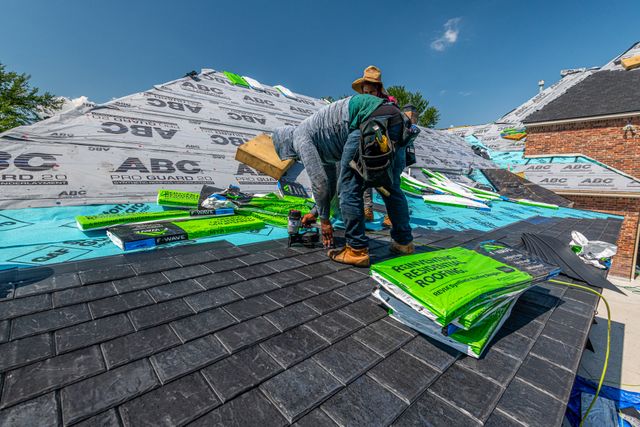
    For most exterior contractors, the quality of the work is rarely the problem. Roofs are installed correctly. Gutters function properly. Siding is repaired with care. Customers are satisfied when the project is complete. Yet many companies still struggle with inconsistent growth because excellent craftsmanship alone does not guarantee a steady flow of new business.

    Many exterior service companies rely heavily on referrals and weather-driven demand. A severe storm can fill the schedule for weeks, while a mild season may leave crews looking for the next project. Although referrals remain one of the most valuable sources of business, they are difficult to predict and even harder to scale.

    The contractors that consistently grow treat marketing as an ongoing business function rather than something they think about only during slow periods. They build trust within their communities, stay visible throughout the year, educate homeowners, and create a reputation that extends well beyond individual jobs.

    A strong local brand is not built through a single advertising campaign. It is built through hundreds of consistent interactions that reassure homeowners they are choosing a company that will protect one of their largest investments.

    Become the Company Homeowners Recognize Before They Need You

    Most homeowners do not begin searching for an exterior contractor until something demands attention.

    A leak appears after heavy rain. Gutters overflow during a storm. A home inspector identifies roofing concerns before a sale. Wind damages shingles, or siding begins showing signs of age.

    By the time homeowners begin searching, they often need answers quickly.

    Companies that are already familiar have an advantage.

    Maintaining a visible presence in the local community helps ensure homeowners recognize your business before an emergency occurs. This visibility comes from much more than advertising. Educational content, community sponsorships, neighborhood projects, local partnerships, and consistent online activity all contribute to long-term recognition.

    When people have seen your work, heard positive recommendations, or recognize your name from local events, the decision to contact your business becomes much easier.

    Build Trust With Education Instead of Constant Promotion

    Many homeowners know surprisingly little about roofing, drainage systems, siding, or exterior maintenance.

    They often have questions long before they are ready to hire a contractor.

    How often should gutters be cleaned?

    What are the first signs of roof deterioration?

    How can they tell whether storm damage requires professional attention?

    What maintenance helps extend the life of exterior materials?

    Providing useful answers establishes credibility.

    Articles, videos, seasonal maintenance guides, and homeowner checklists demonstrate expertise without feeling like sales pitches.

    Educational marketing works particularly well because homeowners frequently research maintenance topics online before requesting inspections.

    When your company consistently provides helpful information, potential customers begin associating your business with knowledge and reliability rather than simply another contractor competing for work.

    Showcase Projects That Solve Real Problems

    Photo galleries remain valuable, but homeowners usually care about more than attractive finished results.

    They want to understand how your company approaches challenges.

    Instead of simply sharing before-and-after photographs, explain the project.

    Describe the condition of the roof before repairs began.

    Discuss drainage issues that caused recurring water problems.

    Explain why specific materials were selected.

    Show how the finished project improved durability, appearance, or long-term performance.

    These stories help homeowners relate their own situations to projects you have already completed.

    A successful project portfolio demonstrates both technical skill and thoughtful problem-solving.

    That combination builds confidence much more effectively than photographs alone.

    Reviews Should Highlight the Entire Customer Experience

    Homeowners expect professional workmanship.

    What often separates one contractor from another is the experience surrounding the project.

    Encourage customers to share details beyond the final result.

    Were appointments scheduled efficiently?

    Did communication remain clear throughout the project?

    Did crews arrive on time?

    Were unexpected issues explained honestly?

    Was the property left clean after work was completed?

    These details help future customers understand what working with your company actually feels like.

    Strong reviews reduce uncertainty by answering questions homeowners often have before making first contact.

    Over time, a consistent collection of detailed customer feedback becomes one of your strongest competitive advantages.

    Stay Connected After Every Project

    Many contractors complete excellent work and then disappear until the customer needs another repair years later.

    That creates a missed opportunity.

    Exterior systems require ongoing care.

    Seasonal inspections, gutter cleaning, storm preparation, and preventive maintenance all create reasons to maintain communication with previous customers.

    Helpful reminders before hurricane season, educational guidance after severe weather, or maintenance tips for changing seasons provide continued value without overwhelming customers with promotions.

    These regular touchpoints help ensure your company remains the first one homeowners think of when future maintenance becomes necessary.

    Long-term relationships also increase referrals because satisfied customers are more likely to recommend businesses they continue hearing from.

    Build Referral Networks Beyond Homeowners

    Customer referrals remain essential, but they are only one part of a strong local network.

    Many professionals regularly encounter homeowners who need exterior services.

    Real estate agents.

    Home inspectors.

    Insurance professionals.

    General contractors.

    Painters.

    Window installers.

    Solar installers.

    Property managers.

    Landscapers.

    Developing genuine relationships with these businesses creates referral opportunities built on trust rather than transactions.

    For example, a home inspector identifying roof concerns before a property sale may confidently recommend a contractor whose work they know well.

    Likewise, landscapers may notice drainage problems caused by failing gutters, while painters frequently identify deteriorating fascia boards during exterior preparation.

    These partnerships expand your visibility among homeowners already preparing for property improvements.

    Make the First Contact Simple

    Marketing succeeds only if interested homeowners can easily become customers.

    Clear contact information, straightforward inspection requests, prompt responses, and transparent explanations of your process remove unnecessary barriers.

    Many homeowners have never hired a roofing or gutter contractor before.

    Explain what an inspection includes.

    Describe how estimates are prepared.

    Outline expected project timelines.

    Clarify what happens after the initial consultation.

    Reducing uncertainty during these early interactions creates confidence before any work begins.

    Professional communication often becomes just as important as technical expertise when customers compare multiple contractors.

    Measure Marketing by Relationships, Not Just Leads

    Many companies evaluate marketing based only on the number of inquiries received.

    A more useful measurement considers what happens after those inquiries arrive.

    How many inspections become signed projects?

    Which referral sources consistently generate long-term customers?

    Which educational articles lead homeowners to request consultations?

    How many previous customers schedule annual inspections?

    Understanding these patterns helps identify which marketing efforts contribute to sustainable growth.

    Sometimes a single partnership with several local real estate professionals produces more valuable business than a large advertising campaign.

    Similarly, educational content that consistently attracts homeowners researching preventive maintenance may generate stronger long-term customer relationships than promotions focused only on emergency repairs.

    Marketing becomes more effective when success is measured by customer lifetime value instead of inquiry volume alone.

    A Strong Brand Is Built Long Before the Next Storm

    Exterior contractors often receive the greatest attention immediately after severe weather, but lasting businesses are built during the quieter months.

    Strong brands grow through consistent visibility, educational leadership, reliable customer experiences, honest communication, and meaningful relationships within the local community.

    Homeowners want more than someone who can repair a roof or install new gutters. They want confidence that the company they choose will provide sound advice, communicate clearly, respect their property, and stand behind its work.

    Every completed project, helpful article, positive review, community partnership, and satisfied customer contributes to that reputation.

    Over time, these individual efforts combine to create something much more valuable than a temporary increase in leads. They create a local brand that homeowners already trust before they ever need an inspection.

    For exterior contractors, that trust becomes the foundation for sustainable growth. Instead of depending solely on storm seasons or unpredictable referrals, the business develops a steady pipeline of homeowners who recognize the company, understand its expertise, and feel confident making contact when the time is right. That is how a local brand grows from the roofline down, supporting every part of the business for years to come.

  • From First Visit to Season-Long Training: Marketing Lessons for Batting Cages and Instructors From the Home Services Industry

    From First Visit to Season-Long Training: Marketing Lessons for Batting Cages and Instructors From the Home Services Industry

    Running a successful batting cage or baseball training facility requires far more than quality equipment and knowledgeable instructors. While coaching expertise remains the foundation of player development, attracting new athletes and encouraging them to return throughout the season has become equally important. Families today have numerous options for private lessons, travel teams, sports academies, and training facilities, making competition stronger than ever.

    Many batting cage owners focus heavily on improving their training programs but invest far less time in developing a structured marketing strategy. As a result, they often experience inconsistent bookings, seasonal fluctuations, and difficulty converting first-time visitors into long-term customers. Interestingly, these are many of the same challenges that home service businesses have faced for years.

    Companies in industries such as plumbing, electrical services, roofing, landscaping, and HVAC have built highly effective marketing systems designed to attract local customers, earn trust quickly, generate repeat business, and encourage referrals. Although baseball instruction and home services serve different audiences, the principles behind successful customer acquisition and retention are remarkably similar.

    Batting cage operators and instructors can learn valuable lessons from these businesses by focusing on customer experience, relationship building, local visibility, and consistent communication. Applying these strategies can help transform a single training session into a season-long relationship that benefits both athletes and facility owners.

    Every Customer Journey Starts With Visibility

    Before a player ever steps into a batting cage, families must first discover the business. This is where many successful home service companies excel. They understand that customers often search online when they need immediate assistance, so they invest heavily in being visible where local consumers are looking.

    Parents searching for baseball instruction behave in much the same way. They frequently begin by researching nearby batting cages, private instructors, youth baseball training, or hitting lessons. If a training facility is difficult to find online, it may never receive an opportunity to demonstrate the quality of its coaching.

    Batting cage businesses can improve visibility by maintaining a professional website, accurate business listings, consistent contact information, and location-specific content that clearly explains available services. This makes it easier for families to discover the facility when they begin researching training options.

    Visibility alone does not guarantee new customers, but without it, even the best coaching staff may struggle to attract consistent traffic.

    Making a Strong First Impression

    Home service companies understand that first impressions often determine whether a customer schedules an appointment. Professional websites, prompt responses, clear service descriptions, and friendly communication all contribute to building confidence before any work begins.

    Batting cage facilities should approach customer interactions in the same way. Families evaluating training options often know very little about instructors, coaching philosophies, or lesson structures. They rely on the information available online to decide whether a facility appears trustworthy and professional.

    A clear explanation of training programs, instructor experience, lesson formats, age groups served, and facility amenities helps reduce uncertainty. Easy scheduling, prompt responses to inquiries, and welcoming communication create positive first impressions that encourage bookings.

    The goal is to remove as much friction as possible during the decision-making process. When parents feel informed and comfortable, they are far more likely to schedule an initial visit.

    Building Trust Before the First Lesson

    Trust is essential in both home services and sports instruction. Homeowners hire contractors because they believe the work will be completed properly. Likewise, parents invest in baseball instruction because they trust coaches to support their child’s development.

    High-growth home service businesses build trust through customer testimonials, educational content, before-and-after project examples, and consistent branding. Batting cage operators can apply similar principles.

    Sharing player success stories, coaching philosophies, training methods, and facility information helps prospective customers understand what they can expect. While every athlete develops differently, demonstrating a structured approach to instruction reassures families that the facility prioritizes long-term improvement rather than quick fixes.

    Trust develops before the first lesson ever begins. Every interaction, whether online or in person, contributes to that process.

    Education Creates Long-Term Value

    One of the most effective marketing strategies used by successful home service companies is education. Rather than simply promoting services, they answer customer questions and explain common problems through articles, videos, and helpful resources.

    Batting cage businesses can use educational content in much the same way. Parents often have questions about swing mechanics, offseason training, strength development, practice frequency, equipment selection, or preparing for upcoming seasons.

    Publishing useful information positions instructors as knowledgeable resources while helping families make informed decisions about player development. Educational content also improves online visibility by giving search engines more relevant information to display for local baseball-related searches.

    Instead of focusing exclusively on selling lessons, facilities that consistently educate their audiences build stronger credibility and establish themselves as trusted training partners.

    The Importance of Consistent Communication

    Communication is one of the defining strengths of many successful home service businesses. Customers appreciate companies that respond quickly, explain timelines clearly, and keep them informed throughout a project.

    Families value these same qualities when choosing baseball instruction. They want clear scheduling information, lesson reminders, updates regarding programs, and guidance on future training opportunities.

    Consistent communication helps create a better customer experience from the very beginning. Confirmation emails, follow-up messages, seasonal program announcements, and personalized recommendations demonstrate professionalism while strengthening relationships.

    Communication should not end when a lesson finishes. Staying connected throughout the year keeps families engaged and encourages continued participation.

    Facilities that communicate regularly remain top of mind when new training needs arise.

    Encouraging Season-Long Relationships

    Many batting cage operators concentrate heavily on attracting new visitors but devote less attention to encouraging repeat participation. Home service companies, however, understand that long-term customer relationships are often more valuable than constantly acquiring new clients.

    A homeowner who hires the same contractor repeatedly requires less marketing investment than acquiring entirely new customers every year. Similarly, an athlete who trains consistently throughout a season contributes significantly more value than someone attending only one lesson.

    Marketing should therefore emphasize long-term player development rather than isolated sessions. Seasonal training plans, progressive instruction, regular evaluations, and ongoing communication help reinforce the benefits of continuous improvement.

    When families understand how individual lessons fit into a larger development plan, they are more likely to commit to recurring training rather than viewing instruction as a one-time activity.

    Using Reviews and Testimonials to Build Credibility

    Online reviews have become one of the most influential factors in consumer decision-making. Home service businesses actively encourage satisfied customers to share their experiences because they understand how powerful positive feedback can be.

    Batting cage facilities can benefit from the same approach. Parents frequently read reviews before selecting instructors or training programs. Positive testimonials provide reassurance regarding coaching quality, professionalism, communication, and overall customer experience.

    Authentic reviews from athletes and families help prospective customers feel more confident about scheduling lessons. Testimonials that describe player improvement, enjoyable experiences, or positive interactions with instructors reinforce credibility.

    Maintaining a strong online reputation supports both customer acquisition and long-term brand development.

    Becoming Part of the Local Baseball Community

    Successful home service companies rarely operate in isolation. They participate in community events, support local organizations, and maintain strong local relationships that reinforce their visibility.

    Batting cage businesses have similar opportunities within the baseball community. Partnering with youth leagues, supporting tournaments, hosting clinics, participating in local events, and collaborating with coaches all strengthen community presence.

    These activities increase awareness while demonstrating a genuine commitment to player development. Families often prefer businesses that actively contribute to local sports programs rather than simply promoting services.

    Community involvement also creates valuable referral opportunities that support long-term business growth.

    Using Data to Improve Customer Retention

    High-growth home service businesses increasingly rely on customer data to improve marketing effectiveness. They monitor booking patterns, customer preferences, repeat business, and referral activity to identify opportunities for improvement.

    Batting cage operators can benefit from adopting a similar mindset. Tracking lesson attendance, seasonal participation, program enrollments, and customer feedback helps identify which services generate the strongest engagement.

    For example, facilities may discover that athletes attending introductory lessons are more likely to continue training when follow-up sessions are recommended within a specific timeframe. Understanding these patterns allows businesses to improve customer retention through more effective communication and scheduling.

    Data-driven decision-making helps facilities create better experiences while supporting more sustainable growth.

    Turning One Visit Into a Season of Development

    Perhaps the greatest lesson batting cage operators can learn from successful home service companies is that long-term success depends on building relationships rather than completing transactions. The objective is not simply to sell an individual lesson but to become a trusted resource throughout an athlete’s development.

    Every interaction contributes to this relationship. Helpful educational content, consistent communication, professional service, community involvement, and personalized instruction all reinforce trust over time.

    When families see clear progress and feel supported throughout the season, they are far more likely to continue training, recommend the facility to others, and return year after year.

    This relationship-focused approach benefits everyone involved. Athletes receive more consistent instruction, parents gain confidence in the training process, instructors build stronger connections with players, and facilities develop a stable foundation for long-term growth.

    Looking Ahead

    The baseball training industry continues to evolve as families seek higher-quality instruction and more personalized development opportunities. While coaching expertise remains the most important element of player improvement, effective marketing has become essential for building a thriving training business.

    The home services industry provides valuable lessons in attracting local customers, earning trust, encouraging repeat business, and creating lasting relationships. By adapting these proven strategies, batting cage operators and instructors can strengthen their local presence, improve customer experiences, and encourage athletes to return throughout the season.

    The most successful facilities of the future will not simply be those with the best equipment or the most experienced instructors. They will be the businesses that make families feel welcome from the first inquiry, provide meaningful value at every stage of the training journey, and build relationships that extend well beyond a single visit to the batting cage.

  • Why the Best Landscape Companies Are Adopting Home Services Marketing Strategies to Drive Growth

    Why the Best Landscape Companies Are Adopting Home Services Marketing Strategies to Drive Growth

    The landscaping industry has become increasingly competitive as more companies expand their service offerings and customers gain access to countless options online. Whether providing landscape design, lawn maintenance, irrigation services, hardscaping, seasonal cleanups, or complete outdoor living transformations, landscape businesses now compete not only on the quality of their work but also on how effectively they attract and retain customers.

    Exceptional craftsmanship alone is no longer enough to sustain long-term growth. Homeowners and commercial property managers typically research service providers online before requesting estimates. They compare reviews, browse websites, evaluate completed projects, and look for companies that communicate professionally and demonstrate reliability. In many cases, purchasing decisions are influenced long before the first consultation is scheduled.

    This shift has led many successful landscape companies to adopt proven home services marketing strategies. Contractors in industries such as plumbing, electrical work, roofing, HVAC, and remodeling have spent years refining marketing systems that consistently generate local leads, build customer trust, and encourage repeat business. These strategies translate remarkably well to the landscaping industry because both depend on local visibility, strong reputations, and long-term customer relationships.

    By embracing the principles of home services marketing, landscape companies can increase brand awareness, generate more qualified inquiries, strengthen customer loyalty, and create a more predictable path to business growth.

    The Customer Journey Begins Long Before the Estimate

    Many landscape companies still view marketing primarily as a tool for generating estimates. However, the customer journey begins much earlier. Before contacting a landscaping company, property owners often spend time researching ideas, comparing providers, reading reviews, and exploring available services.

    Home service businesses recognize this behavior and invest in creating strong digital first impressions. Their websites answer common questions, explain services clearly, showcase completed work, and make it easy for potential customers to request assistance.

    Landscape companies benefit from following the same approach. A professional website, informative service pages, and an organized online presence help establish credibility before any direct interaction occurs. Customers who feel informed are more likely to request consultations because much of their initial uncertainty has already been addressed.

    Marketing is therefore not simply about attracting attention. It is about creating confidence during the earliest stages of the decision-making process.

    Local Visibility Creates More Opportunities

    One of the most effective strategies used by high-growth home service companies is local search optimization. Businesses understand that customers frequently search for nearby providers when they need assistance, making local visibility essential.

    Landscape companies operate under similar conditions. Most projects are completed within defined service areas, and customers typically prefer contractors familiar with local climate conditions, plant varieties, municipal regulations, and neighborhood characteristics.

    Maintaining accurate business information, optimizing local service pages, and creating geographically relevant content all contribute to stronger local visibility. When homeowners search for landscape design, lawn maintenance, irrigation services, or outdoor renovations in their community, companies with well-developed local marketing efforts are more likely to appear in search results.

    Improved visibility leads to increased inquiries, allowing businesses to compete for projects earlier in the customer’s buying journey.

    Rather than waiting for referrals alone, landscape companies create consistent opportunities for new customer acquisition through local search.

    Trust Is Built Before the First Conversation

    Landscaping projects often represent significant investments. Whether a homeowner is redesigning an entire backyard or hiring a company for ongoing maintenance, choosing the right provider requires confidence.

    Home service businesses understand that trust begins before the first phone call. They invest in professional branding, educational content, testimonials, and project galleries that demonstrate both expertise and reliability.

    Landscape companies can benefit from adopting the same mindset. Prospective customers want reassurance that a contractor understands design principles, installation techniques, plant selection, and long-term landscape care. Providing clear information about services, experience, and project processes helps reduce uncertainty.

    Customer testimonials and examples of completed work also strengthen credibility by demonstrating successful outcomes. Rather than making broad marketing claims, businesses allow previous customers to reinforce their reputation through authentic experiences.

    Trust becomes a competitive advantage that influences whether potential clients choose to schedule consultations.

    Educational Content Positions Companies as Experts

    Many successful home service companies use educational content as a core marketing strategy. Instead of focusing solely on promotional messaging, they answer customer questions through articles, videos, seasonal guides, and maintenance resources.

    Landscape companies have numerous opportunities to do the same. Property owners frequently seek advice regarding lawn care, irrigation practices, seasonal planting, drainage concerns, outdoor lighting, landscape maintenance, and design planning.

    Educational content helps businesses demonstrate expertise while improving search visibility. Informative articles answering common questions often attract customers who are actively researching landscaping topics before selecting a contractor.

    This approach builds credibility naturally. Customers begin viewing the company as a knowledgeable resource rather than simply another service provider.

    Over time, consistent educational content strengthens both brand authority and long-term organic website traffic.

    Customer Reviews Shape Purchasing Decisions

    Online reviews have become one of the most influential factors in selecting local service providers. Home service companies actively encourage satisfied customers to leave reviews because they understand the role positive feedback plays in building trust.

    Landscape companies experience the same benefit. Potential clients often compare multiple providers before requesting estimates, and customer reviews frequently influence which companies make the shortlist.

    Positive reviews provide valuable social proof by highlighting communication, professionalism, workmanship, reliability, and overall customer satisfaction. They help reduce perceived risk, particularly for customers considering larger landscape investments.

    Developing a consistent process for requesting reviews after successful projects strengthens both online reputation and local search performance. Responding thoughtfully to customer feedback also demonstrates accountability and professionalism.

    A strong review profile often becomes one of a company’s most valuable marketing assets.

    Communication Is Part of the Marketing Experience

    Many businesses view marketing as something that ends once a customer schedules an estimate. High-growth home service companies understand that every interaction contributes to the overall customer experience.

    Prompt responses, clear explanations, appointment reminders, project updates, and professional follow-up all reinforce positive impressions. Customers remember how a company communicates just as much as the quality of the completed work.

    Landscape companies can improve customer experiences by maintaining consistent communication throughout the entire project lifecycle. Explaining project timelines, weather-related adjustments, maintenance recommendations, and post-installation care helps build confidence and strengthen relationships.

    Excellent communication also generates positive reviews and referrals because satisfied customers are more likely to recommend businesses that kept them informed throughout the process.

    Marketing extends beyond advertising—it includes every customer interaction.

    Building Long-Term Relationships Instead of One-Time Projects

    One of the greatest strengths of home services marketing is its emphasis on customer lifetime value rather than individual transactions. Many home service businesses generate substantial revenue through repeat customers who require ongoing maintenance, inspections, repairs, or additional projects.

    Landscape companies have similar opportunities. Many services naturally lend themselves to long-term relationships through lawn maintenance, seasonal plantings, irrigation management, tree care, fertilization, landscape enhancements, and outdoor renovations.

    Marketing strategies should therefore encourage continued engagement rather than focusing exclusively on initial installations. Regular communication, seasonal recommendations, maintenance reminders, and educational content help keep businesses connected with existing customers throughout the year.

    Long-term relationships provide greater business stability while reducing reliance on constant new customer acquisition.

    Customers who trust a landscape company for ongoing maintenance are also more likely to request future design or renovation projects.

    Community Engagement Strengthens Brand Recognition

    Successful home service businesses often become recognizable within their communities by participating in local events, supporting nonprofit organizations, sponsoring youth activities, and partnering with neighborhood organizations.

    Landscape companies can strengthen their brands through similar community involvement. Participating in garden tours, environmental initiatives, local beautification projects, educational workshops, or community events increases visibility while demonstrating commitment to the areas they serve.

    Community engagement creates familiarity, and familiarity often leads to trust. Homeowners frequently prefer companies they recognize and associate with positive local involvement.

    Strong community relationships also generate valuable referral opportunities that support long-term business growth.

    Using Data to Continuously Improve Marketing

    High-growth home service businesses rarely rely on intuition alone when making marketing decisions. They monitor website traffic, lead sources, customer behavior, conversion rates, advertising performance, and customer retention to understand what drives growth.

    Landscape companies can benefit from taking a similar data-driven approach. Measuring inquiry sources, estimating conversion rates, seasonal demand patterns, customer retention, and referral activity helps identify which marketing strategies produce the strongest results.

    This information allows businesses to allocate resources more effectively while continuously refining customer acquisition efforts.

    Data-driven decision-making transforms marketing from a series of isolated activities into a structured process focused on measurable improvement.

    Preparing for Sustainable Growth

    The landscaping industry continues to evolve as customer expectations increase and competition expands. Companies that rely solely on referrals or traditional advertising may find it more difficult to maintain consistent growth in an increasingly digital marketplace.

    The most successful landscape businesses recognize that marketing is not separate from service—it is an extension of the overall customer experience. Every interaction, from the first online search to years of ongoing maintenance, contributes to the company’s reputation and future growth.

    Home services marketing provides a proven framework for building visibility, trust, customer loyalty, and long-term business stability. By adopting these strategies, landscape companies can attract more qualified leads, improve customer retention, strengthen their community presence, and create more predictable growth.

    Ultimately, the companies that thrive in the years ahead will combine exceptional landscape expertise with equally strong marketing systems. Beautiful outdoor spaces will always remain the product, but outstanding customer experiences—supported by thoughtful marketing—will increasingly become the reason customers choose one landscape company over another.

  • What Managed IT Service Providers Can Learn From High-Growth Home Services Marketing

    What Managed IT Service Providers Can Learn From High-Growth Home Services Marketing

    Managed IT service providers operate in a competitive environment where technical expertise alone is no longer enough to drive consistent business growth. Companies looking for IT support have countless options, from local managed service providers (MSPs) to national firms and specialized consultants. While the quality of service remains a critical differentiator, many businesses make their initial decisions based on visibility, reputation, responsiveness, and trust long before they evaluate technical capabilities.

    Interestingly, these challenges closely resemble those faced by home service companies. Contractors, electricians, plumbers, HVAC companies, roofing businesses, and other local service providers compete for customers who often need fast solutions, reliable expertise, and confidence that they are hiring the right professional. Over the years, high-growth home service businesses have developed highly effective marketing strategies that consistently generate qualified leads, strengthen customer relationships, and build long-term brand recognition.

    Although managed IT services and home services belong to different industries, many of the underlying marketing principles are remarkably similar. Both rely on relationship building, local reputation, customer trust, educational content, and consistent communication. By adapting proven home services marketing strategies, managed IT service providers can improve lead generation, strengthen their market presence, and position themselves as trusted technology partners.

    Why Visibility Matters Before Technical Expertise

    One of the biggest lessons managed IT providers can learn from successful home service companies is that customers must be able to find you before they can appreciate your expertise. A business may offer exceptional cybersecurity services, responsive help desk support, and strategic IT consulting, but if prospective clients never discover those capabilities, growth opportunities remain limited.

    Home service businesses understand this principle well. When a homeowner searches for emergency electrical repairs or plumbing assistance, companies that appear prominently in search results are far more likely to receive inquiries. They invest heavily in local search optimization, online directories, and digital visibility because they recognize that discovery is the first step toward earning new business.

    Managed IT providers can apply the same approach. Businesses searching for outsourced IT support, cloud management, cybersecurity assistance, or technology consulting typically begin their research online. Establishing a strong digital presence ensures that an MSP is visible during these early stages of the buying process.

    Greater visibility not only generates more inquiries but also creates additional opportunities to educate potential clients and establish credibility before competitors enter the conversation.

    Building Trust Before the First Conversation

    Trust is one of the most valuable assets in both home services and managed IT. Customers often hire contractors without fully understanding technical construction methods, just as business owners frequently select IT providers without deep knowledge of cybersecurity, networking, or infrastructure management.

    Because technical expertise can be difficult for buyers to evaluate directly, they often rely on trust signals. Home service companies build trust through professional websites, customer testimonials, completed project examples, educational content, certifications, and consistent branding.

    Managed IT providers can adopt many of these same practices. Prospective clients want reassurance that their technology partner is knowledgeable, dependable, and responsive. Clear explanations of services, case studies, client success stories, team introductions, and informative resources all contribute to stronger credibility.

    Trust begins long before a proposal is submitted. Every interaction—from a website visit to an initial consultation—helps shape a prospect’s perception of the provider. Businesses that consistently demonstrate professionalism and transparency often earn greater confidence from potential clients.

    Local Search Optimization Is Not Just for Home Services

    Many managed IT providers assume that local search optimization primarily benefits consumer-focused businesses. However, local visibility can be equally valuable for business-to-business service providers.

    Many organizations prefer working with IT partners that understand their local business environment and can provide on-site support when necessary. Even companies offering remote services often benefit from establishing a strong presence within their primary service areas.

    High-growth home service companies prioritize accurate business listings, optimized location pages, consistent contact information, and geographically relevant content. These strategies improve search visibility while reinforcing local credibility.

    Managed IT providers serving regional markets can use similar techniques to strengthen their online presence. Location-focused content, community involvement, and accurate directory information help search engines understand where services are available and improve the likelihood of appearing in relevant searches.

    A stronger local presence also helps reinforce familiarity among nearby businesses evaluating potential technology partners.

    Educational Content Builds Authority

    One of the most effective marketing strategies used by successful home service companies is education. Rather than focusing exclusively on sales messaging, they publish helpful information that answers customer questions and explains common problems.

    Managed IT providers have even greater opportunities to benefit from educational content because technology can often seem complex or intimidating to business leaders. Decision-makers frequently search for guidance on cybersecurity risks, cloud migration, compliance requirements, backup strategies, disaster recovery planning, and productivity improvements.

    Publishing informative articles, guides, webinars, and practical resources helps position an MSP as a trusted advisor rather than simply another service vendor. Educational content demonstrates expertise while helping prospects make more informed decisions.

    In addition to strengthening credibility, content marketing supports search engine optimization by creating opportunities to rank for valuable search terms. Over time, a consistent content strategy can become a significant source of qualified inbound leads.

    Rather than interrupting prospects with promotional messages, educational content attracts businesses actively seeking solutions.

    Customer Reviews Influence Business Decisions

    Online reviews have become a powerful decision-making tool across nearly every industry. Home service companies actively encourage satisfied customers to share their experiences because they understand the impact reviews have on future purchasing decisions.

    The same principle applies to managed IT services. Organizations evaluating potential technology partners often research reviews, testimonials, and client experiences before requesting consultations.

    Positive feedback provides reassurance regarding responsiveness, professionalism, communication, and technical expertise. It reduces uncertainty and helps prospective clients feel more comfortable initiating conversations.

    Review management should therefore be an ongoing priority rather than an occasional activity. Encouraging satisfied clients to leave honest feedback and responding professionally to reviews demonstrates accountability and customer focus.

    A strong online reputation contributes to both improved visibility and increased conversion rates.

    Communication Is a Competitive Advantage

    Home service businesses know that excellent communication can distinguish them from competitors. Customers appreciate providers who explain processes clearly, provide timely updates, and respond promptly to questions.

    Managed IT clients value these qualities just as highly. Technology issues often create uncertainty and stress, particularly during outages or cybersecurity incidents. Providers that communicate proactively help reduce anxiety and strengthen trust.

    Marketing should reinforce this communication philosophy from the very beginning. Websites, emails, proposals, and educational materials should clearly explain service offerings, response expectations, onboarding processes, and support models.

    Consistent communication creates confidence before clients even sign agreements. Once relationships begin, maintaining transparency continues to strengthen satisfaction and retention.

    Strong communication is often remembered as much as technical performance itself.

    Consistent Branding Creates Recognition

    High-growth home service companies rarely present inconsistent messaging. Their websites, advertising, vehicles, uniforms, social media profiles, and printed materials all reinforce the same professional identity.

    Managed IT providers benefit from the same consistency. Branding extends beyond logos and colors; it includes messaging, tone, customer experience, and the overall impression clients receive.

    A clear brand identity helps communicate what the company stands for and what differentiates it from competitors. Whether emphasizing proactive support, cybersecurity expertise, strategic consulting, or long-term partnerships, consistent messaging reinforces market positioning.

    As businesses repeatedly encounter the same professional identity across multiple channels, familiarity grows. Familiarity often translates into greater trust when purchasing decisions are made.

    Relationship Marketing Drives Long-Term Growth

    Perhaps the greatest lesson managed IT providers can learn from successful home service businesses is the value of relationship marketing. The strongest companies focus not only on acquiring customers but also on maintaining long-term relationships that generate repeat business and referrals.

    Managed IT services naturally align with this approach because provider-client relationships often continue for many years. Trust, reliability, and ongoing communication become increasingly important over time.

    Marketing should therefore emphasize partnership rather than transactions. Instead of presenting services as isolated offerings, providers can highlight their commitment to supporting clients’ long-term business objectives.

    Satisfied clients frequently become advocates who recommend providers to colleagues, business partners, and industry peers. Referral-driven growth often produces highly qualified opportunities while strengthening overall brand reputation.

    Relationship-focused marketing creates sustainable business growth that extends far beyond individual projects.

    Community Involvement Strengthens Brand Presence

    Many successful home service companies actively participate in their local communities. Sponsoring events, supporting nonprofit organizations, joining business associations, and participating in educational initiatives all help strengthen visibility and credibility.

    Managed IT providers can achieve similar benefits through community engagement. Speaking at business events, participating in technology education programs, supporting local organizations, and contributing to industry discussions reinforce expertise while increasing brand awareness.

    Community involvement demonstrates commitment beyond commercial interests. Businesses often prefer working with partners who actively contribute to the communities they serve.

    These activities also create valuable networking opportunities that may lead to new partnerships and client relationships over time.

    Measuring Marketing Performance Like Successful Service Businesses

    Another reason high-growth home service companies continue to outperform competitors is their commitment to measuring marketing performance. They track lead sources, website traffic, customer acquisition costs, conversion rates, and return on investment to understand what drives growth.

    Managed IT providers should take a similarly data-driven approach. Monitoring website performance, content engagement, referral activity, consultation requests, and campaign effectiveness provides valuable insights into marketing success.

    Rather than relying on assumptions, providers can identify which strategies consistently generate qualified leads and allocate resources more effectively. Continuous improvement based on measurable results creates more efficient marketing programs and stronger long-term outcomes.

    The Future of MSP Marketing

    As technology becomes increasingly central to business operations, competition among managed IT providers will continue to intensify. Organizations will have more choices than ever when selecting technology partners, making effective marketing a critical component of sustainable growth.

    High-growth home service businesses offer valuable lessons that extend well beyond their own industries. Their focus on visibility, trust, education, reputation, communication, branding, and relationship building provides a proven framework that managed IT providers can successfully adapt.

    The most successful MSPs of the future are unlikely to rely solely on technical expertise to differentiate themselves. They will combine outstanding service delivery with thoughtful, customer-centered marketing that helps businesses understand their value before the first conversation even begins.

    By embracing proven home services marketing principles, managed IT service providers can attract more qualified prospects, strengthen client relationships, and build a reputation that supports steady, long-term business growth in an increasingly competitive marketplace.