Pet daycare and care businesses sell something more personal than convenience. Owners are trusting another person or facility with an animal they consider part of the family. Before booking, they want to understand how pets are supervised, what a normal day looks like, how safety is handled, and whether the people providing care appear dependable.
That makes marketing pet care different from promoting many other local services. Effective home services marketing needs to create local visibility while answering the questions that influence trust. For businesses providing pet daycare and care services, growth is less about attracting the largest possible audience and more about becoming a familiar, credible option for pet owners who live or work within a practical service area.
Build Local Visibility Around How Pet Owners Search
Most pet daycare decisions are local. Even an excellent facility may not be practical if getting there requires a long drive twice a day.
Marketing should therefore make service areas easy to understand. Websites, local business profiles, service pages, and other online listings should use accurate location and contact information so owners can quickly determine whether the business is convenient.
Local content can go further than simply repeating city names. A daycare might answer questions relevant to nearby pet owners, explain its drop-off process, discuss typical scheduling considerations, or provide useful information for people comparing care options.
The goal is to connect location with usefulness.
When someone searches for pet daycare near home, work, or their daily commute, the business should provide enough information to help them decide whether taking the next step makes sense.
Explain What Actually Happens During Pet Daycare
Many pet owners have never used daycare before. A page that simply states that daycare is available leaves important questions unanswered.
Owners may want to know how pets spend the day, how rest periods work, what supervision is provided, and how dogs are introduced to the environment. They may also have questions about feeding, medication policies, vaccination requirements, emergency procedures, and what happens if their pet appears uncomfortable.
Marketing content can answer these questions before the first phone call.
This serves two purposes. First, it reduces uncertainty for owners. Second, it helps the business attract clients whose expectations match the service being provided.
Clear explanations are particularly important in pet care because appealing photos alone cannot communicate how a facility operates. Owners need to understand the thinking and procedures behind the care.
Use Educational Content to Reach Owners Before They Need Daycare
Not every future client is currently searching for a daycare provider. Some may have recently adopted a dog, started a new job, planned a trip, or begun considering additional social and physical activity for their pet.
Educational content can reach these owners earlier.
Useful topics might address preparing a dog for its first daycare visit, questions to ask when comparing facilities, signs a daycare environment may suit a particular dog, or differences between daycare, boarding, drop-in care, and other arrangements.
The content should be realistic. Daycare is not automatically appropriate for every dog, and responsible businesses should be comfortable acknowledging that.
This kind of information demonstrates knowledge without turning every article into an advertisement. When owners eventually need care, they may remember the business that helped them understand their options.
Show the People Behind the Care
Pet owners are not only evaluating a building. They are evaluating the people who may be responsible for their animals.
Introducing staff can therefore be an important part of marketing.
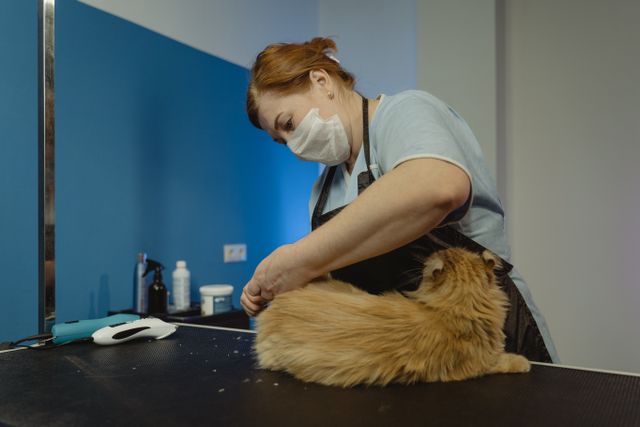
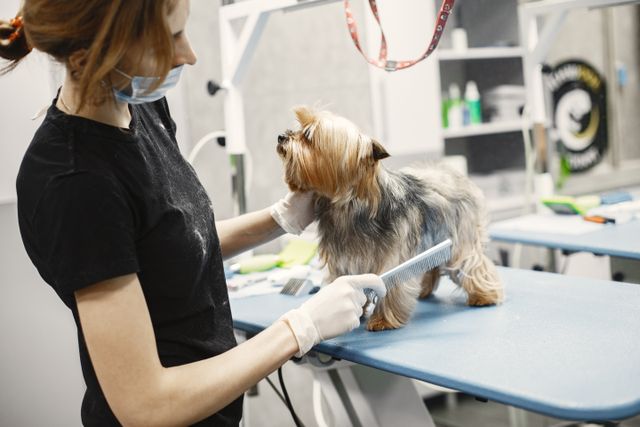
A website can explain team experience, relevant training, responsibilities, and the approach staff take to pet supervision. Photos and short profiles can make a facility feel less anonymous before a new client arrives.
Behind-the-scenes content can also be useful when it shows genuine aspects of daily care. Rather than posting only polished images of happy pets, businesses can explain routines, cleaning practices, supervised activities, rest periods, or how staff prepare spaces for the day.
This gives potential clients a better sense of what happens when owners are not present.
Trust grows when marketing shows the work involved in responsible pet care rather than presenting daycare as endless play.
Turn Reviews Into Evidence of the Client Experience
Reviews carry particular weight in pet services because owners often want reassurance from other pet owners.
A strong review profile can reveal qualities that are difficult for a business to communicate about itself. Customers may mention how staff handled a nervous dog, how communication was managed, whether drop-off was convenient, or how their pet adjusted over time.
Businesses can make review requests a normal part of the customer experience. The best time may be after an owner has had enough interaction with the service to form a meaningful opinion.
Reviews should remain genuine. Asking customers to describe their experience is more useful than pushing them toward particular phrases.
Businesses should also respond professionally when feedback is critical. A thoughtful response demonstrates that concerns are taken seriously and can tell prospective customers something about how the business communicates when everything does not go perfectly.
Make First-Time Booking Less Complicated
Marketing succeeds only if interested pet owners can take the next step without unnecessary difficulty.
A first-time customer may need to provide more information than a returning client because the business needs to understand the pet before care begins. That does not mean the process should feel confusing.
The website should clearly explain what new clients need to do. If vaccinations, assessments, forms, or introductory visits are required, owners should know this before attempting to book.
Pricing information should also be as clear as the business model allows. When exact pricing depends on the service, explaining what affects the cost is more useful than leaving visitors with no guidance.
Contact options should be easy to find, particularly on mobile devices.
A smooth first interaction supports the trust created by the rest of the marketing. A confusing registration process can undo much of that work.
Use Social Content to Show Everyday Care
Pet businesses naturally have access to visually engaging content, but social media should do more than provide an endless stream of pet photos.
Everyday content can help prospective customers understand the service.
Businesses can show appropriate play activities, quiet periods, facility features, staff routines, seasonal precautions, and preparation for busy days. Short educational posts can address common owner questions without requiring someone to read a full article.
Privacy and permission should always be considered before featuring clients’ pets.
Consistency is also more important than trying to make every post perform exceptionally well. Local pet owners who repeatedly encounter useful, genuine content may become familiar with the business over time.
That familiarity can matter when they eventually need daycare. They are no longer choosing among entirely unknown providers.
Create Referral Opportunities Without Making Them Feel Forced
Pet owners talk to other pet owners. Conversations happen during walks, at parks, in neighborhood groups, and between friends who exchange recommendations about local services.
A positive client experience naturally creates referral potential.
Businesses can make referrals easier by ensuring existing customers know which services are available and how someone new can get started. A formal referral program may also work, provided it remains simple and does not turn every customer interaction into a sales request.
Local partnerships can expand this effect. Pet-related businesses and other community organizations may serve overlapping audiences without directly competing.
The strongest partnerships are useful to customers rather than being built solely around exchanging promotions.
A pet owner who receives a relevant recommendation from a business they already trust may be more willing to investigate the suggested service.
Stay Connected With Existing Clients
Growth does not always require finding someone new. Existing clients may need daycare more frequently, add another service, or return after a period away.
Communication can keep the relationship active.
Appointment reminders, schedule updates, holiday availability notices, and relevant service information can be sent through appropriate channels. SMS may work for short, time-sensitive updates, while email can accommodate longer information.
Businesses should avoid overwhelming clients with promotions.
Pet owners are more likely to pay attention when messages normally have a useful purpose. A reminder that holiday daycare availability is becoming limited, for example, can help customers plan rather than simply encouraging an unnecessary purchase.
Client records can also help businesses communicate more appropriately. A regular daycare customer does not need the same introductory information as someone who has visited only once.
Market Seasonal Care Before Demand Peaks
Pet care demand can change significantly around holidays, school breaks, travel periods, and other busy times.
Waiting until demand peaks to begin marketing can leave both businesses and pet owners scrambling.
Advance communication gives existing clients time to plan and allows new customers to complete any required registration or assessment before they need care.
Seasonal content can also answer practical questions. Owners may want to know how far ahead to book, what information is required, or whether schedules change during major holidays.
This is particularly useful when daycare is offered alongside other pet care services.
Marketing should help customers anticipate their needs rather than relying on artificial urgency once appointment availability becomes limited.
Track Which Marketing Creates Suitable Clients
A pet care business can receive plenty of inquiries without necessarily attracting the right clients.
Tracking where customers come from can reveal which marketing activities produce meaningful results. Businesses might compare local search, referrals, social content, educational articles, community partnerships, and other channels.
The number of inquiries is only one measure.
It is also useful to know which sources produce completed registrations, first visits, and eventually repeat customers. A marketing channel that generates fewer inquiries but more long-term clients may be more valuable than one producing large amounts of low-intent traffic.
Customer questions can provide another source of information. If new owners repeatedly ask the same thing, the website or booking process may need to explain that subject more clearly.
Marketing should improve as the business learns what prospective clients actually need to know.
Growth Starts With Trust Before the First Visit
Growing a pet daycare or care business requires more than getting its name in front of local pet owners. Visibility creates the opportunity, but trust determines whether many owners will move forward.
Useful home services marketing brings those two goals together. Local search helps nearby customers discover the business. Educational content answers questions before they become obstacles. Staff introductions, reviews, and everyday facility content help owners understand who will be caring for their pets.
A straightforward registration process then makes it easier to act on that confidence, while useful communication and a strong care experience give clients reasons to return.
Pet owners have many reasons to be selective about who looks after their animals. Marketing works best when it respects that selectiveness. Instead of simply telling people to book, successful pet care businesses give local owners the information and reassurance they need to decide whether the service is right for their pet.
Leave a Reply