
There’s a quiet shift happening in how services reach people at the exact moment they need help. It’s not about louder ads or bigger budgets anymore. It’s about timing, context, and being present in the moments where intent is already high.
Home services companies figured this out early. When a pipe bursts or power goes out, people don’t browse. They act. They search, they call, they book. That urgency has shaped how home services marketing works today.
Now apply that same thinking to legal help, especially for injury victims. The parallels are stronger than most law firms realize.
Why Injury Law and Home Services Share the Same Demand Pattern
An injury rarely comes with a warning. It disrupts normal life instantly. One moment everything is fine, the next moment someone is dealing with medical bills, confusion, and stress.
That behavior mirrors what happens when someone needs emergency home services. There is no long research phase. There is no comparison across ten options. The decision window is short and emotionally charged.
Home services marketing is built around this reality. It prioritizes visibility at the exact moment of need. Legal marketing, especially for injury attorneys, often lags behind here. It still leans heavily on broad awareness campaigns instead of intent-driven presence.
The opportunity is clear. Injury law firms that adopt home services marketing principles can capture demand instead of chasing it.
The Shift From Awareness to Intent-Based Marketing
Traditional legal marketing often focuses on being seen everywhere. Billboards, generic ads, long-term branding. These tactics build recognition but do not guarantee action.
Home services marketing takes a different approach. It focuses on being found when the problem exists.
For injury victims, this means showing up when they search phrases tied to immediate need. Not vague legal terms, but real-world questions. Things like what to do after an accident, who pays medical bills, or how to file a claim.
The key difference is intent. These searches are not curiosity. They are signals of urgency.
Attorneys who align their marketing with these signals position themselves as the next logical step, not just another option.
Local Search Is the Real Battlefield
Home services companies dominate local search for a reason. They understand that proximity and trust drive decisions.
For injury attorneys, local visibility is just as critical. Most clients want someone nearby, someone who understands local laws, and someone they can reach quickly.
But many law firms treat local SEO as a secondary effort. That creates a gap.
Home services marketing shows what works. Consistent local listings, strong reviews, clear service areas, and fast-loading pages that answer specific questions.
Injury victims are not looking for the “best attorney in the country.” They are looking for the right help, right now, near them.
Speed Matters More Than Most Firms Think
In home services, response time can make or break a deal. If one company does not answer, the customer calls the next one.
The same behavior exists in legal help, especially after an injury. People reach out to multiple firms. The one that responds first often wins.
This is where many attorneys lose potential clients without realizing it.
Marketing does not stop at generating leads. It includes how quickly those leads are handled. Home services companies invest heavily in call handling, instant booking, and follow-ups.
Law firms can adopt the same mindset. Faster response times, clear intake processes, and immediate reassurance can turn inquiries into clients.
Content That Solves, Not Just Sells
Home services marketing relies heavily on practical content. Not theoretical advice, but actionable guidance.
Think about how-to guides, quick fixes, and clear explanations of what to expect. These pieces build trust before the service is even booked.
For injury attorneys, this approach can transform content strategy.
Instead of writing generic legal blogs, focus on real scenarios. What should someone do in the first hour after an accident. How to document injuries. What mistakes to avoid when dealing with insurance.
This kind of content meets people where they are. It reduces confusion and positions the attorney as a problem solver, not just a service provider.
Trust Signals Are Everything
When someone needs urgent help, they look for reassurance. In home services, this comes from reviews, ratings, and visible proof of reliability.
In legal help, trust is even more important. The stakes are higher. The decisions feel heavier.
Home services marketing teaches a simple lesson here. Make trust visible and immediate.
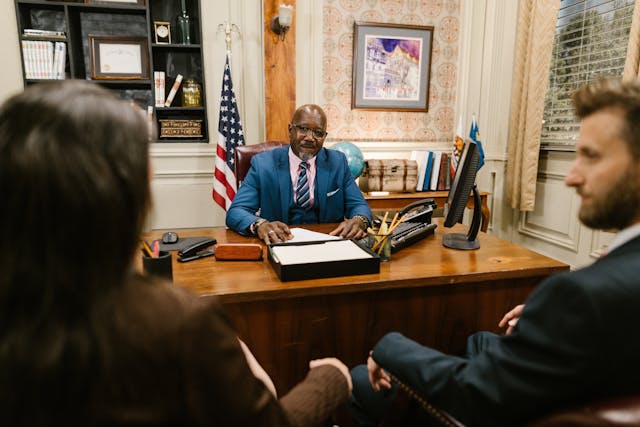
Client testimonials, case outcomes, clear communication about process, and even small details like professional presentation all contribute to this.
Injury victims are not just hiring a service. They are choosing someone to guide them through a difficult moment.
Simplifying the Path to Action
One of the biggest advantages home services companies have is simplicity. The path from problem to solution is clear.
Call. Book. Fix.
Legal services often feel more complicated. Forms, consultations, uncertainty about costs or timelines.
This complexity creates hesitation.
Attorneys who simplify their process can remove that friction. Clear steps, transparent expectations, and easy ways to get started can make a significant difference.
The goal is not to oversimplify the legal process itself. It is to simplify the entry point.
Leveraging High-Intent Channels
Home services marketing thrives on channels where intent is already present. Search engines, local listings, and even map-based platforms.
For injury attorneys, these channels are just as powerful.
Paid search campaigns targeting specific injury-related queries can deliver immediate results. Organic search optimized for real questions can build long-term visibility.
But the key is precision. Broad campaigns waste budget and dilute messaging. Focused campaigns aligned with real user intent perform better.
This is where many firms can improve. By narrowing their focus, they can increase both efficiency and effectiveness.
Emotional Context Should Shape Messaging
An often overlooked aspect of marketing is emotional context. Home services companies understand that customers are often stressed or frustrated.
Their messaging reflects that. It is calm, direct, and reassuring.
Injury victims are dealing with even more complex emotions. Pain, uncertainty, fear about the future.
Legal marketing that ignores this feels disconnected.
Attorneys who acknowledge this emotional context in their messaging create a stronger connection. Not through exaggerated claims, but through clarity and empathy.
It is about showing that you understand the situation, not just the law.
Building Systems, Not Just Campaigns
Home services marketing is not a collection of isolated tactics. It is a system.
Search visibility, lead capture, response handling, and follow-up all work together.
For injury attorneys, adopting this systems mindset can be transformative.
It is not enough to run ads or publish content. Those efforts need to connect to a larger process that guides potential clients from awareness to decision.
When everything is aligned, the results compound.
Where Most Law Firms Still Fall Short
Despite the similarities, many law firms still operate with outdated marketing assumptions.
They focus on exposure instead of intent. They prioritize volume over quality. They treat marketing and client intake as separate functions.
This creates inefficiencies.
Home services marketing shows a different path. One where every step is optimized for the customer’s experience.
Law firms that adopt this approach gain an edge that is hard to replicate.
The Real Opportunity Ahead
The intersection of home services marketing and legal help is not just an interesting idea. It is a practical strategy.
Injury victims behave more like emergency service customers than traditional legal clients. They need help quickly. They want clarity. They respond to availability and trust.
Attorneys who understand this can position themselves differently.
Not as distant professionals waiting to be chosen, but as accessible solutions ready to help.
That shift changes everything.
Leave a Reply