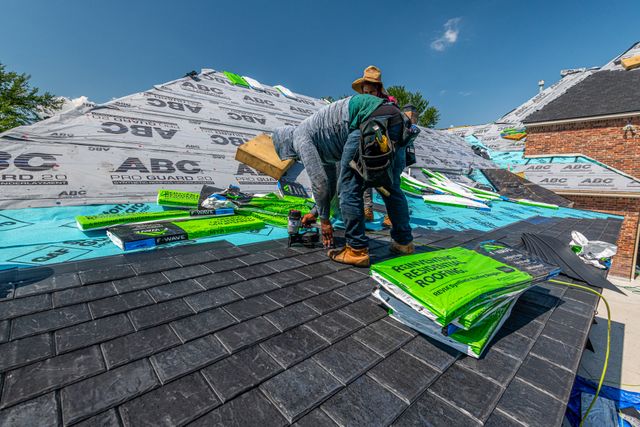
Roofing and gutter needs are often discovered at inconvenient times. A homeowner notices water where it should not be, finds shingles in the yard after severe weather, sees gutters overflowing during heavy rain, or realizes that an aging roof needs professional attention. Once that happens, the search for a local contractor can move quickly.
Being visible in that search is only the beginning. A roofing or gutter company still has to convince the property owner that it serves the area, handles the specific problem, communicates clearly, and is worth contacting. Smarter home services marketing connects those steps. For companies providing professional roofing and gutter services, the goal is to turn local visibility into qualified inquiries rather than simply generating more website visits.
Understand the Local Intent Behind Roofing Searches
Many roofing and gutter searches have immediate local intent. A homeowner searching for roof repair is usually not conducting general research about the roofing industry. They are trying to find someone who can assess a problem at their property.
That distinction should shape marketing.
Service areas need to be obvious across the company’s online presence. Customers should quickly understand where the contractor works, what services are available, and how to request an inspection or estimate.
Search intent also varies according to the problem. Someone researching a full roof replacement is in a different position from a homeowner dealing with a leaking gutter joint or damaged downspout.
Creating information around these different needs makes it easier to attract people whose searches match the work the business actually performs.
Local marketing becomes stronger when it reflects customer problems rather than simply repeating broad industry terms.
Give Major Services Their Own Useful Information
A single page labeled “Roofing and Gutters” rarely answers everything a potential customer wants to know.
Roof repairs, replacements, inspections, gutter installation, gutter repair, and drainage-related work involve different concerns. Giving important services their own pages allows each topic to be explained properly.
A roof repair page, for example, can discuss common reasons homeowners request an assessment, what an inspection may involve, and why the extent of damage needs to be evaluated before repairs are recommended.
A gutter installation page can address sizing, placement, drainage, downspouts, and how roof runoff is directed away from the property.
These pages should be written for customers first. Technical terminology is useful where necessary, but visitors should not need roofing experience to understand what they are reading.
Clear service information also filters inquiries. Customers are more likely to contact the company when they can already see that it handles the work they need.
Use Educational Content to Reach Homeowners Earlier
Not every customer begins by searching for a contractor. Many start with a question.
They may want to know why gutters overflow, whether a roof stain indicates a leak, how long certain roofing materials typically last, or what signs suggest gutters need replacement rather than another repair.
Useful educational content can bring the business into the research process before the homeowner is ready to request service.
Articles should help readers understand the issue without encouraging unsafe roof access or risky do-it-yourself repairs. Roofing work can involve heights, structural concerns, weather exposure, and other hazards that require professional judgment.
Content can instead explain visible warning signs, common causes, what information to collect, and when an inspection may be appropriate.
This approach attracts search traffic while establishing the company as a useful local resource rather than turning every article into a sales page.
Local Business Profiles Need Ongoing Attention
For many customers, a local business listing may be their first substantial interaction with a roofing company.
Accurate contact information, service categories, business hours, service areas, photos, and customer reviews all help people decide whether to investigate further.
These profiles should not be created and then forgotten.
Hours may change, services can expand, and contact information needs to remain consistent. Project photos can also become outdated if nothing new is added for years.
Recent activity can give customers a better sense that the business is active and serving properties in the area.
Consistency matters as well. Conflicting addresses, phone numbers, or business details across different online sources can create unnecessary uncertainty.
A homeowner dealing with a roofing concern should not have to determine which listing contains the correct information before making contact.
Project Photos Should Explain More Than the Finished Appearance
Roofing and gutter work naturally lends itself to visual marketing, but photos become more valuable when they tell a story.
A finished roof may look impressive, yet a potential customer may learn more from seeing what problem existed beforehand and how it was addressed.
Businesses can document appropriate before-and-after examples and explain the type of work completed. A gutter project might show how drainage was improved, while a roof repair example could identify the visible condition that led to professional assessment.
Location can add relevance when appropriate, but customer privacy should always be respected.
These project examples help prospects recognize situations similar to their own.
They also provide evidence of actual work. Instead of relying entirely on claims about experience, the company can demonstrate the types of properties and problems it regularly handles.
Reviews Can Turn Visibility Into Trust
A high position in local search may earn attention, but homeowners still need reasons to contact one contractor instead of another.
Reviews can provide those reasons.
Potential customers often look beyond the overall rating and read individual experiences. They may want to know whether the contractor communicated clearly, arrived when expected, explained the work, maintained the property responsibly, and responded appropriately when questions arose.

Roofing companies can build a stronger review profile by making feedback requests part of their normal post-project process.
Requests should remain neutral. Customers should be encouraged to describe their genuine experience rather than being coached toward a particular rating.
Responses matter too. Thanking customers for positive feedback shows attention, while a professional response to criticism can demonstrate how the company handles problems.
Local trust develops through patterns, not one perfect review.
Make Mobile Lead Generation Simple
Many local searches happen on phones, particularly when someone notices a problem and wants help quickly.
A website that looks fine on a desktop but becomes difficult to use on a smaller screen can lose valuable inquiries.
Phone numbers should be easy to locate. Forms should not require unnecessary typing, and important service information should remain readable without constant zooming or complicated navigation.
The inquiry process can ask for essential information such as the property location, general type of roofing or gutter need, and preferred contact method.
Customers can provide more detail during the follow-up conversation.
Reducing friction is particularly important for urgent inquiries. Someone worried about visible storm damage is unlikely to spend ten minutes completing an extensive online form.
The easier it is to move from search to contact, the more useful local visibility becomes.
Speed Up the Response to New Leads
Generating an inquiry is not the end of the marketing process.
Homeowners may contact several roofing businesses, particularly when they are comparing estimates or need work completed within a particular timeframe. A slow response gives another provider an opportunity to begin the conversation first.
Businesses need a reliable process for acknowledging inquiries and determining what happens next.
That does not mean every customer needs an immediate estimate. Roofing and gutter work often requires inspection before the scope and cost can be determined responsibly.
The first response can simply confirm that the request has been received, gather missing information, and explain how an inspection or consultation is scheduled.
Clear expectations reduce uncertainty.
Marketing works more effectively when lead handling is treated as part of the customer experience rather than something that begins after marketing has finished.
Weather Can Create Local Demand, but Marketing Should Stay Responsible
Roofing demand is strongly affected by weather. Heavy rain, wind, hail, and seasonal conditions can suddenly cause homeowners to inspect their roofs and gutters more closely.
Businesses can prepare useful content before these events occur.
Homeowners may benefit from information about what they can safely observe from the ground, when professional assessment may be appropriate, and how to document visible property damage.
After significant weather, communication should remain factual rather than using fear to generate appointments.
Not every property will have serious damage after a storm. Marketing that implies otherwise can undermine trust.
The better approach is to help homeowners understand what deserves attention and provide an accessible route to professional assistance when needed.
Useful information can generate leads without exaggerating the situation.
Roofing and Gutter Marketing Should Work Together
Roofing and gutters perform related roles in managing water around a property, yet they are often marketed as completely separate services.
There are situations where connecting them makes sense.
A homeowner planning a roof replacement may need to consider how existing gutters interact with the project. Someone experiencing drainage problems may initially blame the roof when the gutter system deserves attention instead.
Educational content can explain these relationships.
This does not mean every roofing customer should automatically be sold new gutters or vice versa. Recommendations should follow the actual condition of the property.
From a marketing standpoint, however, showing knowledge of both systems can help homeowners understand that water management involves more than a single component.
It can also create relevant internal connections between service pages and educational resources, helping visitors move naturally through the information they need.
Past Customers Can Produce Future Leads
Roofing and gutter businesses often concentrate heavily on finding new customers, but completed projects can continue creating value.
A satisfied homeowner may return for another property, future maintenance, or related work. They may also recommend the contractor to neighbors, friends, or relatives.
Follow-up communication can support this relationship without becoming excessive.
Businesses can provide relevant maintenance information, occasional reminders, or an easy way to contact the company if another concern develops.
Referral opportunities can also arise naturally after successful projects.
A homeowner who receives a compliment on a completed roof or discusses a recent repair with a neighbor may already be in a position to recommend the contractor.
The strongest referral strategy begins with work and communication that customers genuinely feel comfortable recommending.
Measure Leads Instead of Focusing Only on Traffic
More website visitors do not automatically mean better marketing.
Roofing and gutter companies should connect marketing performance with actual business opportunities. Useful measures include calls, estimate requests, inspection bookings, qualified leads, and completed projects.
The source of those inquiries matters too.
A service page may generate fewer visits than a general blog article but produce more customers ready to request an estimate. Similarly, a local listing may create phone calls that never appear as conventional website conversions.
Businesses can also track which services and geographic areas produce the most valuable inquiries.
This information helps marketing become more selective over time.
Instead of investing equally in every topic and channel, contractors can focus on the activities that consistently connect them with local property owners who need the services they provide.
Turning Search Visibility Into Real Local Demand
Local search creates an important opportunity for roofing and gutter businesses, but rankings alone do not produce sustainable growth.
Customers still need to understand what the company does, see evidence that it serves their area, find useful answers to their questions, and develop enough confidence to make contact.
Smarter home services marketing supports that entire journey.
Detailed service pages capture specific needs. Educational content reaches homeowners during research. Reviews and project examples build trust, while a simple mobile inquiry process makes it easier to take the next step. Fast, clear follow-up then prevents promising leads from disappearing after the initial contact.
For roofing and gutter contractors, the aim should not be visibility for its own sake. The real value of local search appears when the right homeowner finds the right information at the right time and can move naturally from a roofing or drainage concern to a qualified local professional.
Leave a Reply