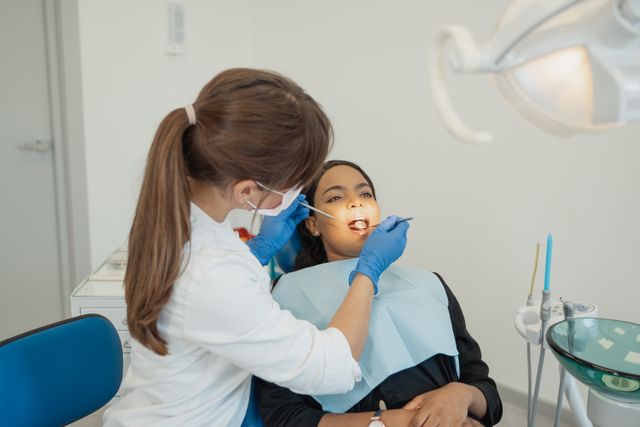
Choosing orthodontic care is usually a local decision. Patients and parents may research treatment options online, but practical considerations such as travel time, appointment schedules, accessibility, and the ability to return for ongoing visits make location particularly important. An orthodontic practice therefore needs more than general online visibility; it needs to appear when people in its service area are actively researching care.
Some of the principles used in effective home services marketing translate surprisingly well to this challenge. Local service businesses focus heavily on geographic relevance, clear service pages, useful educational content, reviews, simple inquiry paths, and consistent follow-up. Orthodontic practices can apply similar principles while maintaining the professional standards and patient-centered communication expected in healthcare. For providers of local orthodontic care, smarter marketing should make trustworthy information easier to discover rather than push people toward treatment they may not need.
Start With the Way Local Patients Actually Search
People do not all begin their orthodontic research with the same question.
One parent may be researching whether their child is ready for an orthodontic evaluation. A teenager may want to understand treatment options. An adult might be wondering whether orthodontic treatment is practical alongside work and other responsibilities.
These different motivations produce different searches.
Local marketing should therefore go beyond repeating broad phrases about orthodontics. A practice can build content around the actual questions patients ask before scheduling a consultation.
Geographic relevance also needs to be clear. Patients should be able to determine where the practice is located, which communities it commonly serves, and whether attending regular appointments would be practical for them.
The objective is not to insert location names unnaturally into every paragraph. It is to make the practice genuinely useful and identifiable to people researching orthodontic care nearby.
Treat Local Business Information as Part of Patient Access
For a local service business, inaccurate online information can cost a lead. For an orthodontic practice, it can also create unnecessary inconvenience for a patient.
Basic details deserve careful attention.
The practice address, phone number, opening hours, appointment information, and directions should remain consistent across important online listings. If hours change, the information should be updated rather than leaving patients to discover the difference after making plans.
Photos can also help first-time visitors understand what to expect. Images of the building exterior, entrance, reception area, or parking arrangements may make arriving for the first appointment easier.
These details may appear minor compared with clinical information, but they shape the practical experience of accessing care.
Local visibility is more valuable when accurate information helps someone move confidently from online research to an actual visit.
Build Service Pages Around Patient Questions
Orthodontic websites sometimes assume visitors already understand the terminology used by professionals.
Many do not.
A prospective patient may know that they want straighter teeth but have little understanding of the available approaches, treatment stages, consultation process, or factors that influence recommendations.
Individual service pages can explain these topics in plain language.
The purpose should not be to tell readers which treatment they need before they have been assessed. Instead, content can explain what an option is, who may discuss it with an orthodontist, what the general process involves, and which questions are worth asking during a consultation.
This is similar to effective marketing for other local services: people are more comfortable making contact when they understand what the next step involves.
Clear information also helps reduce inquiries based on incorrect assumptions about treatment.
Educational Content Can Capture Earlier Search Interest
Many people research orthodontics well before they are ready to schedule an appointment.
Parents may wonder when children should first be evaluated. Adults may be researching whether age affects treatment. Other patients may have questions about treatment duration, oral hygiene, appointments, retainers, eating habits, or daily routines.
Educational articles can address these questions.
Useful content should provide enough information to help the reader without presenting general online guidance as an individual diagnosis.
That distinction is important in healthcare marketing.
An article can explain why treatment duration varies, for example, without promising that a particular patient will finish within a specific number of months. It can discuss common considerations around treatment options without declaring one universally superior.
When educational content respects those boundaries, it can support both search visibility and informed patient conversations.
Reviews Can Help Patients Understand the Experience
Reviews play an important role in local decision-making, including healthcare choices.
Prospective orthodontic patients may look for comments about communication, appointment organization, staff interactions, cleanliness, explanations, and the overall experience of attending the practice.
These details can help someone imagine what ongoing care might be like.
Practices can create an appropriate process for requesting feedback while respecting applicable privacy, professional, and platform requirements.
Patients should be free to provide an honest account of their experience. Reviews should never be manipulated to create unrealistic expectations about clinical outcomes.
Responses require care as well.
Healthcare providers should avoid revealing or confirming private patient information when responding publicly. Even when a reviewer has voluntarily discussed their own treatment, the practice still has responsibilities regarding confidentiality.
The goal is to demonstrate professionalism without turning a public review section into a discussion of someone’s care.
Make the First Appointment Request Simple
Strong local visibility accomplishes little if the next step is difficult.
Once a patient or parent decides to contact an orthodontic practice, appointment information should be easy to locate. The website should work properly on mobile devices, since many local searches begin on phones.
Forms should request only information that is genuinely necessary at that stage.
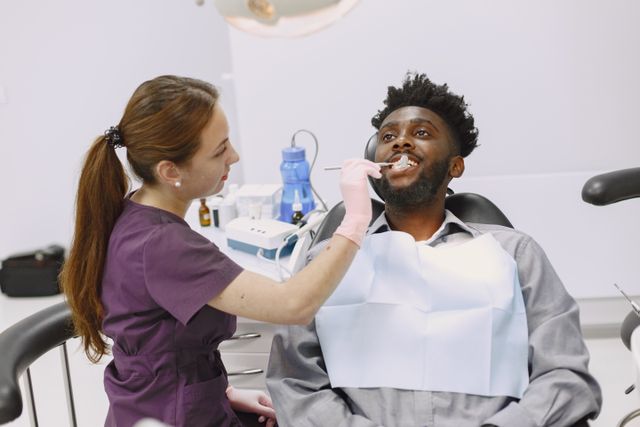
An initial inquiry does not need to become an exhaustive intake process unless there is a clear reason for collecting those details. Longer clinical or administrative information can be handled through appropriate secure processes.
Patients should also understand what happens after they submit a request.
Will the practice call to confirm? Can the appointment be requested online? Is the selected time confirmed immediately or subject to staff approval?
Explaining these details prevents a common source of frustration: believing an appointment has been booked when only an inquiry has been submitted.
Local Content Should Reflect the Practical Side of Care
Orthodontic treatment usually involves more than one visit. That makes practical information particularly relevant to local patients.
Someone comparing practices may consider distance from home, work, or school. Parents may need to think about how appointments fit around classes and family schedules.
Content can address these practical concerns without making unsupported promises about appointment frequency or treatment timelines.
A practice might explain its general consultation process, what patients should bring to a first visit, how scheduling is handled, or where visitors can find parking information.
This is an area where lessons from home services marketing are especially useful.
Local service marketing works well when it anticipates the questions customers have before an appointment. Orthodontic marketing can do the same while focusing on the patient experience.
Community Relevance Should Be Genuine
Being locally visible involves more than adding city names to website pages.
A practice can strengthen its local presence by participating meaningfully in the community it serves. Depending on the practice, that might involve educational activities, community events, relationships with relevant local organizations, or oral-health information designed for families.
These efforts can produce online visibility naturally when they reflect real activity.
Local content can also answer questions that have genuine geographic relevance, such as directions, transportation considerations, or practical information about reaching the office.
What should be avoided is creating dozens of nearly identical pages where only the place name changes.
Such pages offer little value to readers.
Local relevance is stronger when a page contains information that actually helps someone in that community decide whether and how to access the practice.
Separate Visibility From Clinical Claims
Healthcare marketing requires more restraint than many other local-service industries.
A roofing company can show a completed installation and discuss the work performed. Orthodontic outcomes involve individual clinical circumstances, which means marketing language needs greater care.
Practices should avoid implying guaranteed outcomes or suggesting that a particular treatment is appropriate for everyone.
Before-and-after materials, testimonials, and treatment descriptions should follow applicable professional, privacy, advertising, and consent requirements.
Educational content should also make clear where individual assessment becomes necessary.
This does not weaken marketing. It can strengthen trust.
Patients researching healthcare are often trying to distinguish useful professional information from exaggerated promises. Clear explanations and appropriate limitations can make a practice appear more credible than aggressive claims about results.
Follow-Up Can Prevent Good Inquiries From Disappearing
Local marketing often concentrates heavily on generating new inquiries while paying less attention to what happens afterward.
That creates a gap.
A prospective patient may request an appointment and then miss a call. A parent may begin the consultation process but need more time before deciding what to do next. Someone may simply forget to complete a required scheduling step.
An organized follow-up process can reduce these losses.
Communication should be appropriate to the patient’s stage and preferences. Appointment confirmations and reminders can serve a practical purpose, while follow-up after an inquiry can clarify whether the person still needs assistance.
Healthcare communication also requires careful handling of personal information and consent.
The goal should not be repeated sales pressure. It should be making it easier for people who have already expressed interest to complete the next appropriate step.
Measure Local Marketing by Meaningful Actions
Website traffic is useful, but it does not tell an orthodontic practice whether local marketing is producing meaningful results.
A large number of visitors from outside the service area may contribute little to practice growth.
More useful measures can include appointment inquiries, consultation requests, calls from prospective patients, directions requests, and other actions that indicate genuine local interest.
Practices can also examine which pages tend to contribute to these actions.
An educational article may attract many readers but few immediate inquiries, while a focused treatment or consultation page may receive less traffic yet contribute more directly to appointments.
Both can still have value.
Measurement helps determine the role different content plays rather than judging every page solely by visitor numbers.
Local Visibility Should Make Choosing Care Easier
The strongest lesson orthodontic practices can borrow from home services marketing is that local visibility is not simply about appearing in search results.
People need useful information after they find the practice.
They should be able to understand the types of care discussed, learn how consultations work, verify practical details, read educational material, and determine how to request an appointment. Reviews and community presence can add another layer of confidence when handled appropriately.
At the same time, healthcare marketing has boundaries that ordinary service marketing does not. Clinical recommendations require individual assessment, patient privacy must remain protected, and promotional claims should never replace responsible professional communication.
When those principles are respected, smarter local marketing can do something more valuable than produce clicks. It can reduce uncertainty between the first online search and the first conversation with an orthodontic professional, helping patients and families find appropriate local care with clearer expectations.
Leave a Reply