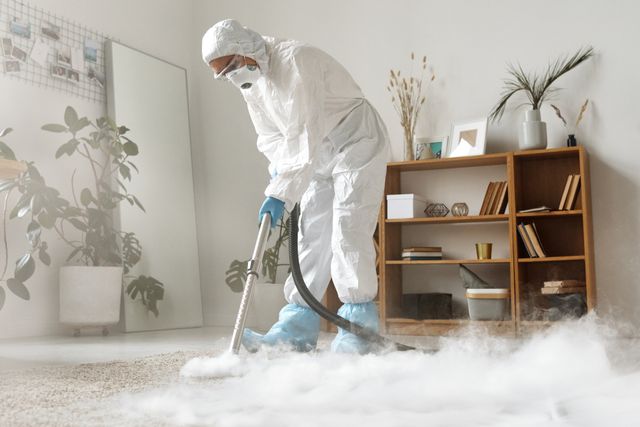
Carpet cleaning is a strongly local service. When homeowners, renters, landlords, or property managers need help with stained, heavily used, or generally tired-looking carpets, they are usually searching for a provider that can reach their property within a practical timeframe. That makes local visibility one of the most important parts of customer acquisition.
Visibility alone, however, does not guarantee bookings. A potential customer still needs to understand what the company cleans, whether it serves their area, how appointments work, and why it is worth contacting. Smarter home services marketing connects those steps. For businesses offering professional carpet cleaning services, the aim should be to turn relevant local searches into qualified inquiries and make the path from discovery to booking as simple as possible.
Build Local Visibility Around Real Customer Needs
Customers do not always search for carpet cleaning in exactly the same way.
Some search broadly for a nearby cleaner. Others have a particular concern, such as stains, pet-related messes, high-traffic areas, or carpets that need attention before moving into or out of a property.
Marketing should reflect these different intentions.
A company’s website and local profiles need to state clearly which services are offered and which areas are served. This helps potential customers determine quickly whether the business is relevant.
Local content should still be useful rather than consisting of repeated place names.
If a company serves several communities, information can address genuine differences where they exist, such as service availability or practical scheduling. Creating nearly identical pages simply to target every neighboring location provides little value to customers.
Local marketing works best when geographic relevance is combined with useful service information.
Make Service Pages Answer Booking Questions
A potential customer arriving on a carpet cleaning website is usually looking for more than a general description of clean carpets.
They want to know what the service involves.
Useful pages can explain how appointments are typically handled, what types of carpets or common concerns the company works with, what customers may need to do before the appointment, and what factors can affect the service.
Businesses should avoid making promises that cannot be supported before seeing the carpet.
Not every stain can be removed completely, and results can depend on carpet material, age, previous treatments, the substance involved, and other conditions.
Clear explanations set better expectations than absolute claims.
The page should leave visitors with a good understanding of the service and an obvious next step if they want to request an appointment or estimate.
Treat Local Business Profiles as Booking Tools
A local business profile may appear before a potential customer ever reaches the company’s website.
That makes accurate information essential.
Phone numbers, operating hours, service areas, categories, and other basic details should remain current. Customers should not have to compare several listings to determine which information is correct.
Photos can also make the profile more useful.
Images of actual work, equipment, staff, or appropriate before-and-after examples can give customers a better idea of what the business does.
Recent information matters as well. A profile that has not been updated for years may create uncertainty about whether the business is still active.
The objective is not simply to occupy space in local results. The profile should provide enough useful information for a customer to feel comfortable taking the next step.
Use Before-and-After Content Carefully
Carpet cleaning naturally produces visual results, which makes before-and-after content valuable for marketing.
A heavily used carpet can look noticeably different after professional cleaning, and photos can demonstrate the types of jobs a company handles.
The strongest examples include useful information.
Rather than posting two images with no explanation, a business can briefly describe the type of carpet, the general condition, or the service performed.
Businesses should also avoid presenting exceptional transformations as guaranteed results for every customer.
A stain shown disappearing in one project does not mean every similar-looking mark can be removed completely. Carpet fibers, previous cleaning attempts, age, and the cause of the discoloration can all affect the outcome.
Visual proof is most persuasive when it is realistic rather than exaggerated.
Educational Content Can Capture Customers Before They Are Ready to Book
Some people search for carpet care information before deciding whether they need a professional service.
They may wonder how often carpets should be cleaned, what to do immediately after a spill, why certain odors return, or how to prepare a room before a cleaning appointment.
Articles addressing these questions can expand local visibility beyond direct service searches.
The best content gives practical information without pretending every problem can be diagnosed online.
For example, a post can explain why aggressive scrubbing may spread certain spills or damage fibers while noting that the correct treatment depends on the carpet and substance involved.
Educational content also gives businesses useful material to share through local channels.
Over time, a library of practical answers can bring in people at different stages of the decision process, from early research to immediate booking.
Make Mobile Booking Straightforward
A significant share of local service discovery happens on smartphones.
Someone may notice a stain while cleaning the house, search for carpet cleaning, compare a few providers, and decide whom to contact within minutes.
A complicated mobile experience can lose that customer.
Phone numbers and appointment options should be easy to find. Forms should request enough information to understand the inquiry without requiring customers to complete a lengthy questionnaire.
A simple request might collect contact details, location, approximate cleaning needs, and preferred timing.
Additional questions can be handled during follow-up.
Businesses should also make clear whether a submitted form represents a confirmed appointment or only a request.
The fewer unnecessary obstacles between local search and initial contact, the more useful search visibility becomes.
Respond Quickly Without Rushing the Estimate
Home service customers often contact more than one provider.
A fast response can therefore make a meaningful difference, but speed should not come at the expense of accuracy.
Businesses can acknowledge new inquiries promptly and explain what information is needed to determine pricing or schedule the service.
If an exact quote depends on room size, carpet condition, material, accessibility, or additional services, customers should be told that rather than receiving an unrealistic instant price.
The first response should move the conversation forward.
That might mean gathering a few details, requesting appropriate photos, or identifying possible appointment times.
A customer who knows what happens next is less likely to continue searching simply because they are uncertain whether anyone received their inquiry.
Reviews Can Convert Searchers Into Customers
Carpet cleaning customers frequently rely on reviews because they cannot fully evaluate the service before booking.
They may look for comments about punctuality, professionalism, communication, care around furniture, overall results, and whether the final charge matched expectations.
Businesses can make review requests part of their normal post-service process.
The best time is usually after the customer has had an opportunity to see the completed work and raise any concerns.
Review requests should remain neutral.
Customers should be invited to describe their actual experience rather than encouraged to provide a particular rating.
Businesses can also learn from repeated feedback. If several customers mention confusing arrival windows or unclear preparation instructions, that information can reveal an operational problem worth fixing.
Reviews are therefore both a marketing asset and a source of customer-experience information.
Build Marketing Around High-Intent Moments
Carpet cleaning demand often increases around particular events.
People may book before hosting guests, after moving, when preparing a rental property, during seasonal cleaning, or after a household accident.
Marketing can address these moments directly.
Content aimed at move-out cleaning, for example, can explain how carpet cleaning fits into property preparation. Seasonal material can help customers understand when advance scheduling may be sensible.
The important point is to connect the service with a real reason someone might need it.
Generic messages about having cleaner carpets can easily blend into every competitor’s marketing.
Specific situations give customers a reason to recognize that the content applies to them.
This can also improve lead quality because the person already has a practical reason for seeking the service.
Use Paid Local Advertising Selectively
Paid search and local advertising can help carpet cleaning businesses reach customers who are ready to book, but spending money on broad traffic does not automatically produce profitable jobs.
Campaigns should align closely with service areas and actual capabilities.
If a company serves only a defined geographic radius, paying for clicks far outside that area wastes budget and creates poor customer experiences.
The same applies to service types.
Advertising should not attract inquiries for work the company does not provide simply because the search term receives high traffic.
Landing pages should also match the advertisement.
Someone clicking an ad about carpet cleaning should reach relevant information and an easy contact option rather than a generic homepage that forces them to start searching again.
Paid marketing works best when every step remains focused on a realistic local booking.
Past Customers Can Become a Reliable Source of New Jobs
Carpet cleaning has an advantage over many major home services: customers may need it repeatedly.
A homeowner who had a positive experience may book again later rather than begin another search from the beginning.
Businesses can support this relationship with appropriate follow-up.
That might include useful care information after an appointment or an occasional reminder based on a reasonable service interval. Communication should remain relevant rather than turning into constant promotions.
Past customers can also produce referrals.
Friends, relatives, neighbors, landlords, and property managers may ask for recommendations when they need similar work.
An easy referral process helps satisfied customers share the business without turning the interaction into a complicated incentive program.
Strong retention reduces the pressure to acquire every future job from a completely new lead.
Local Partnerships Can Expand Reach
Not every carpet cleaning lead has to begin with a search engine.
Businesses can develop relationships with other local professionals whose customers may occasionally need cleaning services.
Property managers, real estate professionals, moving-related businesses, and other non-competing service providers can encounter people preparing homes for occupancy, sale, or turnover.
Any referral relationship should make sense for the customer rather than existing solely to exchange leads.
The carpet cleaning company still needs to earn trust independently.
Local partnerships work best as another discovery channel alongside search, reviews, referrals, and direct marketing.
They can be particularly useful because the customer may already trust the person or business making the recommendation.
Track Jobs, Not Just Website Traffic
Traffic statistics can make marketing look successful even when the business receives few useful inquiries.
Carpet cleaning companies should connect marketing activity with actual outcomes.
Important measures can include calls, appointment requests, qualified leads, completed jobs, repeat bookings, and the approximate source of those customers.
Geographic information can also be useful.
If one part of the service area consistently produces strong demand while another generates expensive but low-quality leads, marketing budgets can be adjusted accordingly.
Businesses should also examine which services generate inquiries.
A page with modest traffic may be extremely valuable if its visitors frequently become paying customers.
The purpose of measurement is to identify what creates real local work rather than chasing larger numbers that have little connection to revenue.
Turn Local Visibility Into a Better Booking Experience
Winning more carpet cleaning jobs requires more than appearing when someone searches nearby.
The customer still needs a reason to choose one provider and a convenient way to act on that decision.
Clear service pages answer important questions. Accurate local profiles make the business easier to verify. Reviews and realistic project examples provide evidence of previous customer experiences, while useful educational content can reach people earlier in their research.
Once interest turns into intent, mobile-friendly contact options and prompt follow-up help prevent the lead from disappearing.
The strongest home services marketing also continues beyond the first booking. Good communication, realistic expectations, and reliable service can turn a new customer into a repeat client or referral source.
For carpet cleaning businesses, that is where local marketing becomes most valuable. It does not simply create more visibility. It creates a shorter, clearer path between a nearby customer’s cleaning need and a business capable of solving it.
Leave a Reply