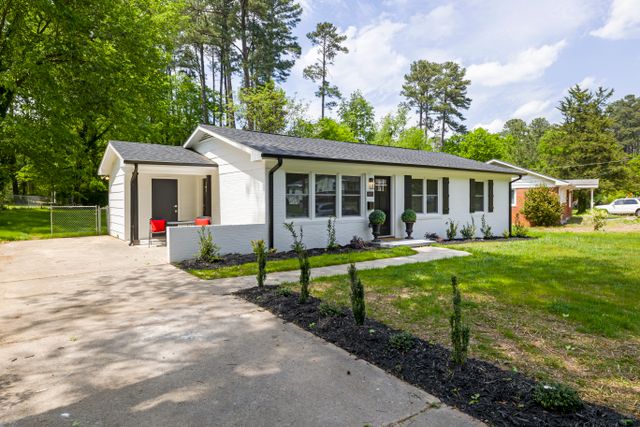
First impressions matter in real estate, and the exterior of a home is the first thing buyers, visitors, and even neighbors notice. Professional landscaping plays a major role in shaping that first impression by transforming ordinary outdoor spaces into well-designed, visually appealing environments. It is not just about planting flowers or maintaining grass—it is about creating a balanced, intentional outdoor design that enhances the overall perception of a property.
For homeowners, investing in professional landscaping is often one of the most effective ways to increase curb appeal without making structural changes to the home itself. A well-maintained and thoughtfully designed landscape can make a property feel more valuable, more welcoming, and better cared for. This perception directly influences both emotional appeal and financial valuation in the real estate market.
The Connection Between Curb Appeal and Property Value
Curb appeal refers to how attractive a property looks from the outside, especially from the street. It is often the deciding factor in whether potential buyers feel interested enough to explore a home further. Professional landscaping enhances this appeal by ensuring that outdoor spaces look clean, structured, and visually balanced.
Homes with strong curb appeal tend to sell faster and often at higher prices because buyers associate exterior appearance with overall property maintenance. A well-designed landscape suggests that the interior is also likely to be well cared for, even before stepping inside. This psychological influence can significantly affect buyer perception and decision-making.
Why First Impressions Influence Buyer Decisions
When a potential buyer approaches a property, their judgment begins within seconds. Overgrown lawns, uneven plants, or poorly maintained outdoor areas can create negative assumptions about the condition of the home. On the other hand, a clean and well-designed landscape creates a sense of pride and care.
Professional landscaping helps control this narrative by presenting the home in its best possible condition. It ensures that every visible element, from plant arrangement to lawn condition, contributes positively to the overall impression. This initial emotional response often sets the tone for the rest of the viewing experience.
How Design Balance Creates Visual Harmony
One of the key advantages of professional landscaping is the ability to create visual balance. This involves carefully arranging plants, pathways, trees, and open spaces so that no single element overwhelms the overall design. When executed correctly, this balance makes a property feel more organized and aesthetically pleasing.
Visual harmony is not accidental; it is the result of intentional planning. Professionals consider factors such as plant height, color variation, seasonal changes, and spatial distribution. These elements are combined to create a cohesive look that enhances the architecture of the home rather than competing with it.
The Role of Structure in Outdoor Design
Structure is what gives a landscape its long-term appeal. Without structure, outdoor spaces can quickly become chaotic or uneven as plants grow and seasons change. Professional landscaping introduces structured layouts that guide the eye naturally across the property.
This may include defining clear pathways, creating focal points, or separating different outdoor zones in a visually logical way. These design choices help ensure that the property remains attractive throughout the year, not just immediately after maintenance.
Enhancing Usable Outdoor Space Through Design
Professional landscaping does more than improve appearance; it also increases the functionality of outdoor spaces. A well-designed yard can become an extension of the home, offering areas for relaxation, entertainment, and recreation. This added usability increases the overall value of the property in the eyes of potential buyers.
When outdoor spaces are designed with purpose, they feel larger and more inviting. Even smaller properties can benefit from smart landscaping techniques that maximize usable space while maintaining visual openness.
Creating Functional Zones in Residential Landscapes
One of the most effective landscaping strategies is dividing outdoor areas into functional zones. These zones may include seating areas, garden sections, walking paths, or open green spaces. By organizing the yard in this way, each area serves a clear purpose while contributing to the overall design.
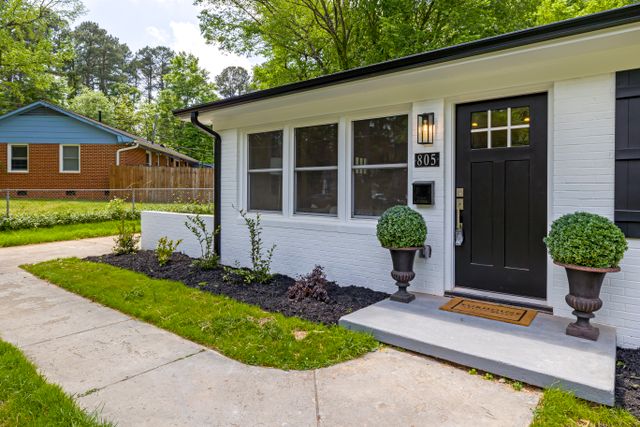
This zoning approach also helps potential buyers imagine themselves using the space. When people can easily visualize how they would interact with the outdoor environment, they are more likely to see the property as valuable and livable.
The Impact of Plant Selection on Property Appeal
Plant selection plays a crucial role in how a landscape looks and performs over time. Professional landscapers choose plants based on factors such as climate suitability, growth patterns, maintenance requirements, and seasonal appearance. This ensures that the landscape remains attractive throughout the year with minimal decline in appearance.
Poor plant selection can lead to overgrowth, patchy areas, or high maintenance demands that reduce the overall appeal of the property. In contrast, carefully selected plants create a consistent and polished look that enhances curb appeal across seasons.
Seasonal Consistency and Year-Round Value
One of the benefits of professional landscaping is the ability to maintain visual appeal throughout the year. By combining plants with different blooming cycles and foliage characteristics, landscapes can remain visually interesting in all seasons.
This seasonal consistency is particularly valuable in real estate because it ensures that the property looks appealing regardless of when it is viewed. Buyers are more likely to perceive the home as well-maintained and thoughtfully designed when the landscape remains attractive year-round.
Increasing Energy Efficiency and Environmental Value
Professional landscaping can also contribute to energy efficiency, which indirectly increases home value. Strategic placement of trees and shrubs can provide shade, reduce heat absorption, and help regulate indoor temperatures. This can lead to lower energy consumption and improved comfort inside the home.
In addition to energy benefits, well-planned landscapes also support environmental health by improving drainage, reducing soil erosion, and enhancing biodiversity. These factors add long-term value to the property beyond immediate visual appeal.
How Smart Landscaping Supports Sustainable Living
Sustainability is becoming an increasingly important factor for homeowners and buyers. Landscapes designed with environmental considerations in mind tend to require less water, fewer chemical inputs, and reduced maintenance over time.
By incorporating sustainable practices into design, professional landscaping creates outdoor spaces that are both beautiful and responsible. This combination of aesthetics and sustainability is highly attractive in modern real estate markets.
Reducing Maintenance Stress for Homeowners
Another often overlooked benefit of professional landscaping is reduced maintenance burden. A poorly designed yard may require constant trimming, watering, and repair, while a professionally designed landscape is structured for easier upkeep. This makes it more practical for homeowners to maintain long-term curb appeal.
Low-maintenance design does not mean less attractive design. Instead, it focuses on selecting appropriate materials, efficient layouts, and resilient plant choices that maintain their appearance with minimal effort.
Long-Term Savings Through Efficient Design
Over time, efficient landscaping can also reduce maintenance costs. Less water usage, fewer plant replacements, and reduced need for corrective work all contribute to financial savings. These savings add to the overall value proposition of professional landscaping.
For potential buyers, a low-maintenance yard is also a strong selling point because it reduces future workload and upkeep concerns.
Conclusion: Landscaping as a Long-Term Investment in Property Value
Professional landscaping is much more than an aesthetic upgrade; it is a strategic investment in both curb appeal and property value. By improving visual harmony, increasing functional space, enhancing plant selection, and supporting sustainability, landscaping transforms the exterior of a home into a valuable asset.
For homeowners, the benefits extend beyond appearance. A well-designed landscape improves usability, reduces maintenance stress, and creates a stronger emotional connection for potential buyers. These combined effects directly influence how a property is perceived and valued in the real estate market.
Ultimately, professional landscaping turns outdoor space into a powerful extension of the home—one that not only looks better but also contributes meaningfully to long-term financial and lifestyle benefits.
Leave a Reply