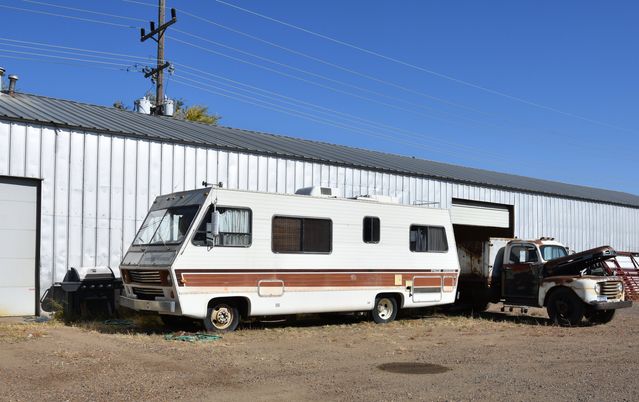
Owning a recreational vehicle brings a sense of freedom that few other investments can match. It allows homeowners to travel on their own terms, explore distant places, and enjoy the comfort of a mobile living space. However, behind this convenience comes a responsibility that is often underestimated: proper storage and consistent maintenance. Without these two elements, an RV can quickly become a costly burden instead of a valuable asset.
Many homeowners focus heavily on the excitement of travel but overlook what happens when the vehicle is parked for long periods. RVs are large, complex machines that are constantly exposed to environmental stress, mechanical wear, and internal system degradation. Proper storage and maintenance are not optional add-ons; they are essential practices that determine how long the vehicle lasts and how well it performs over time.
The Importance of Proper RV Storage for Long-Term Protection
Storing a recreational vehicle correctly is one of the most effective ways to preserve its condition. Unlike standard cars, RVs are often used seasonally, which means they may sit idle for months at a time. During this period, exposure to weather conditions, moisture, and temperature changes can gradually damage both the exterior and interior.
When an RV is left in an unsuitable environment, issues such as fading paint, cracked seals, and roof deterioration can develop silently. These problems may not be immediately visible but can lead to expensive repairs later. Proper storage helps protect the vehicle from these risks by creating a controlled environment that reduces exposure to harmful elements.
How Environmental Exposure Affects RV Longevity
Outdoor exposure is one of the biggest threats to an RV’s lifespan. Sunlight can weaken exterior materials, while rain and humidity can lead to water intrusion and mold growth. Even small leaks can expand over time, damaging insulation, flooring, and internal systems.
Temperature fluctuations also play a significant role in wear and tear. Expansion and contraction of materials due to heat and cold can cause seals to loosen and joints to weaken. When RVs are stored without protection, these environmental effects accumulate gradually, reducing the overall durability of the structure.
Maintenance as a Preventive Strategy Rather Than a Reactive Fix
Regular maintenance is often viewed as something to address only when problems arise, but for RV owners, this approach can be costly and inefficient. Preventive maintenance ensures that small issues are identified and resolved before they turn into major repairs. This approach not only saves money but also extends the life of the vehicle.
An RV contains multiple interconnected systems, including plumbing, electrical components, HVAC systems, and mechanical parts. Each of these requires periodic inspection to ensure proper functioning. When maintenance is neglected, one small failure can affect multiple systems, creating a chain reaction of damage.
The Role of Routine Inspections in Avoiding Major Repairs
Routine inspections allow RV owners to stay ahead of potential problems. Checking seals, testing electrical systems, and inspecting water lines can reveal early signs of wear that are easy to fix. These inspections do not need to be overly complex, but they should be consistent and thorough.
By identifying issues early, homeowners can avoid situations where minor leaks or electrical faults escalate into expensive structural or system failures. This proactive approach ensures that the RV remains safe, functional, and ready for use whenever needed.
Interior Protection and the Hidden Risks of Neglect
While exterior damage is easier to notice, interior deterioration often goes unnoticed until it becomes severe. RV interiors are vulnerable to humidity, poor ventilation, and prolonged inactivity. Without proper care, upholstery, flooring, and built-in systems can degrade over time.
Moisture is one of the most common causes of interior damage. When trapped inside an unused RV, it can lead to mold growth and unpleasant odors. These conditions not only damage materials but can also affect indoor air quality, making the RV uncomfortable and unsafe to use.
Maintaining a Healthy Interior Environment During Storage
Ensuring proper airflow inside the RV is essential during storage periods. Ventilation helps prevent moisture buildup and reduces the risk of mold formation. Regular cleaning before storage also plays an important role in keeping the interior in good condition.
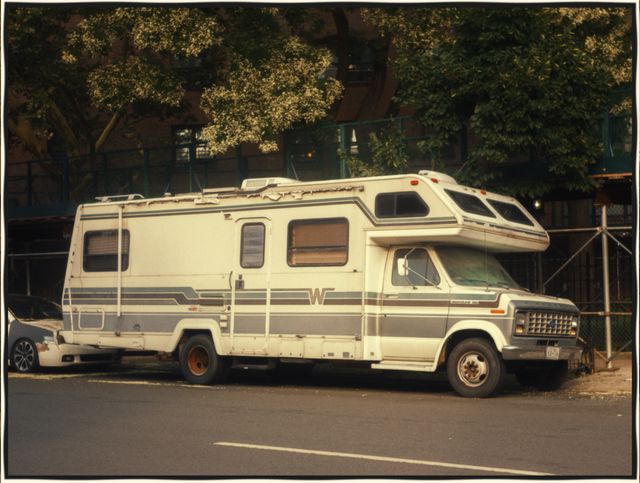
Homeowners who take the time to prepare their RV interiors properly before long-term storage often experience fewer issues when they return to use it. Simple steps such as removing perishable items, cleaning surfaces, and ensuring dryness can make a significant difference in long-term preservation.
Mechanical Systems and the Need for Consistent Upkeep
The mechanical systems of an RV are complex and require ongoing attention. These systems include the engine, brakes, tires, and battery, all of which can deteriorate when left unused for extended periods. Without maintenance, even a parked RV can develop mechanical problems that affect safety and performance.
Tires, for example, can lose pressure or develop flat spots when stationary for too long. Batteries may discharge or lose efficiency, making it difficult to start the vehicle when needed. These issues are common but preventable with regular care and monitoring.
Ensuring Reliability Through Seasonal Maintenance
Seasonal maintenance is particularly important for RV owners who use their vehicles intermittently. Preparing the RV before storage and again before use ensures that all systems are functioning properly. This includes checking fluid levels, testing electrical systems, and inspecting mechanical components.
By adopting a seasonal maintenance routine, homeowners can ensure that their RV remains reliable and ready for travel at any time. This not only improves safety but also reduces the likelihood of unexpected breakdowns during trips.
Financial Benefits of Proper Storage and Maintenance
One of the most overlooked advantages of proper RV care is its financial impact. While maintenance and storage may seem like ongoing expenses, they are significantly more cost-effective than major repairs or premature replacement. An RV that is well-maintained retains its value longer and requires fewer large-scale repairs over time.
Neglecting storage and maintenance, on the other hand, can lead to rapid depreciation. Water damage, mechanical failure, and structural issues can reduce resale value significantly. In some cases, repair costs may even exceed the value of the vehicle itself.
Protecting Long-Term Investment Value
An RV is often a major financial investment for homeowners, and protecting that investment requires consistent care. Proper storage and maintenance ensure that the vehicle remains in good condition, preserving both its functionality and market value.
When it comes time to sell or upgrade, a well-maintained RV is far more attractive to potential buyers. Evidence of regular upkeep builds confidence and allows owners to command better resale prices.
Convenience and Readiness for Spontaneous Travel
One of the main appeals of RV ownership is the ability to travel spontaneously. However, this convenience depends heavily on how well the vehicle has been maintained during downtime. An RV that has been properly stored and serviced is always ready for use without delays or unexpected issues.
On the other hand, a neglected RV may require extensive preparation before each trip, including repairs, cleaning, and system checks. This reduces convenience and can discourage owners from using their vehicle as often as intended.
Reducing Stress Through Preparedness
Knowing that an RV is in good condition provides peace of mind for homeowners. Instead of worrying about potential breakdowns or hidden issues, owners can focus on enjoying their travel experience. This sense of preparedness is one of the most valuable benefits of consistent maintenance and proper storage.
Conclusion: Turning Responsibility Into Long-Term Value
RV ownership is a rewarding experience, but it comes with responsibilities that should not be ignored. Proper storage and regular maintenance are essential for preserving the vehicle’s condition, ensuring safety, and maintaining long-term value. These practices protect both the physical structure and the internal systems of the RV, preventing costly damage and unexpected failures.
For homeowners, the key takeaway is that care and consistency matter more than occasional fixes. An RV that is well-protected during storage and regularly maintained will not only last longer but also provide a more reliable and enjoyable travel experience.
Ultimately, investing time and effort into RV storage and maintenance is not just about protecting a vehicle—it is about protecting freedom, convenience, and the ability to travel with confidence whenever the road calls.
Leave a Reply